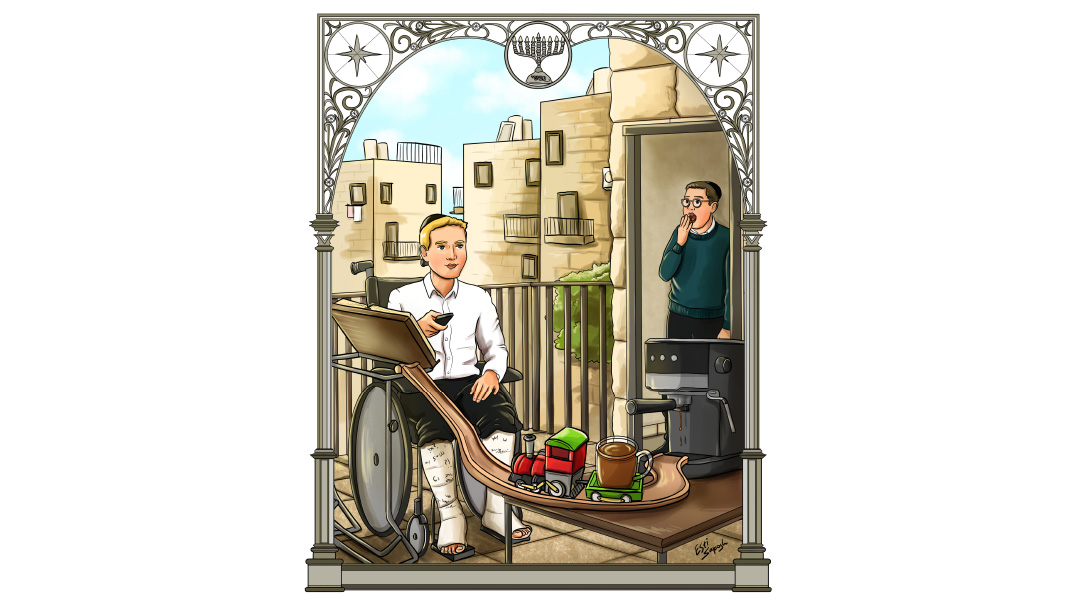
Vivianne Willig, MSW, responds to reader questions about Dream On
Let’s explore the problems that arise with a lack of boundaries.
It’s harmful. In a safe relationship, everyone knows their own place. When the lines blur, it’s much easier for someone to get hurt. A lack of boundaries leaves one open to abuse, manipulation, impaired judgment (as seen in Dream On), and being taken advantage of. Boundaries preserve safety and trust.
It corrodes relationships. When roles are undefined, relationships deteriorate. Can you stretch roles? Absolutely. Are there times you need to go beyond your role? Yes, some circumstances call for it. But when this happens all the time, the relationship will ultimately fall apart. Resentment can develop; things feel out of control. When one person can’t say no, or when the other asks for too much, the relationship is suffocated. And relationships can’t last under chaotic conditions.
It’s not sustainable. Nothing extreme is ever a good idea. You’re a human being, with multiple facets to your life. If you give without boundaries, eventually you’ll feel dread or sadness; you may feel as though you’ve been run over. It’s vital you’re in sync with your own needs. When we have clarity about where we stand and what our role is, we’re able to help in a healthy way. Boundaries sustain that clarity and enable the giving to last.
This one’s in print. Some of our best stories live in the magazine — subscribe to get Mishpacha every week.