Racing to counter the rise of the UAV, can Israel win the new arms race?
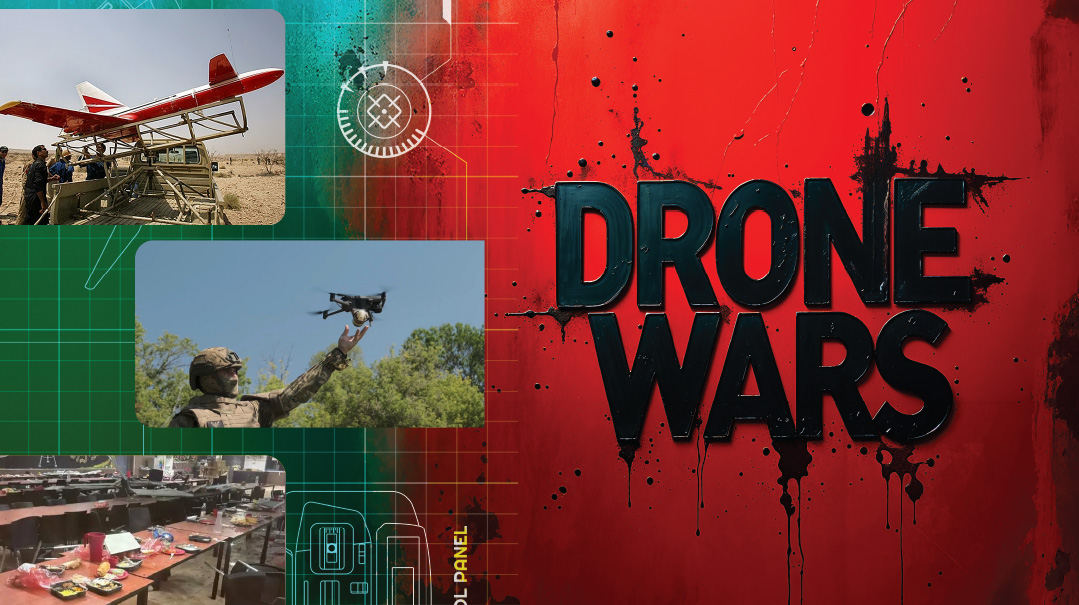
Israel used that head start during the Second Lebanon War in 2006. That conflict marked a turning point in history: For the first time in history of wars, more flying hours were logged by unmanned aircraft than by combat planes. Throughout the war, Israel’s drones were constantly hovering over the battle areas. But then, this technology was still nearly exclusively controlled by advanced armies.
Hezbollah, which learned from Iranian experience, turned itself into a significant player in the field. Today, the organization has a fleet of some 2,000 unmanned aircraft, many of them advanced models from Iran, alongside self-produced drones. During the Second Lebanon War, the organization tried to use explosive drones, but its abilities have been significantly upgraded since then. In 2014, Hezbollah revealed that it operates a fleet of drones for reconnaissance as well, and received from Iran not only the actual devices, but also the technological abilities, training, and practice.
That expertise was demonstrated time and again during the last year, as Hezbollah drones have led the mighty Israeli Air Force on regular — and embarrassing — chases up and down the country. Cell phone footage of jets and attack helicopters searching for cheap, noisy, but elusive Hezbollah drones are a humiliating reminder of Hezbollah’s edge. So too is the high-quality camera footage of Israeli military bases captured by roving Hezbollah reconnaissance drones.
Having fallen behind in the emerging technology, Israel was caught napping. Worse, pride may have prevented the IDF from attempting to learn from the experience of others. According to reports from Kyiv, the Ukrainian army reached out to Israel at the end of 2022 and offered to share the knowledge it had accrued.
Create a free account to keep reading.