As of this writing, the identity of the perpetrators remains unknown, with none of the major terrorist organizations claiming responsibility
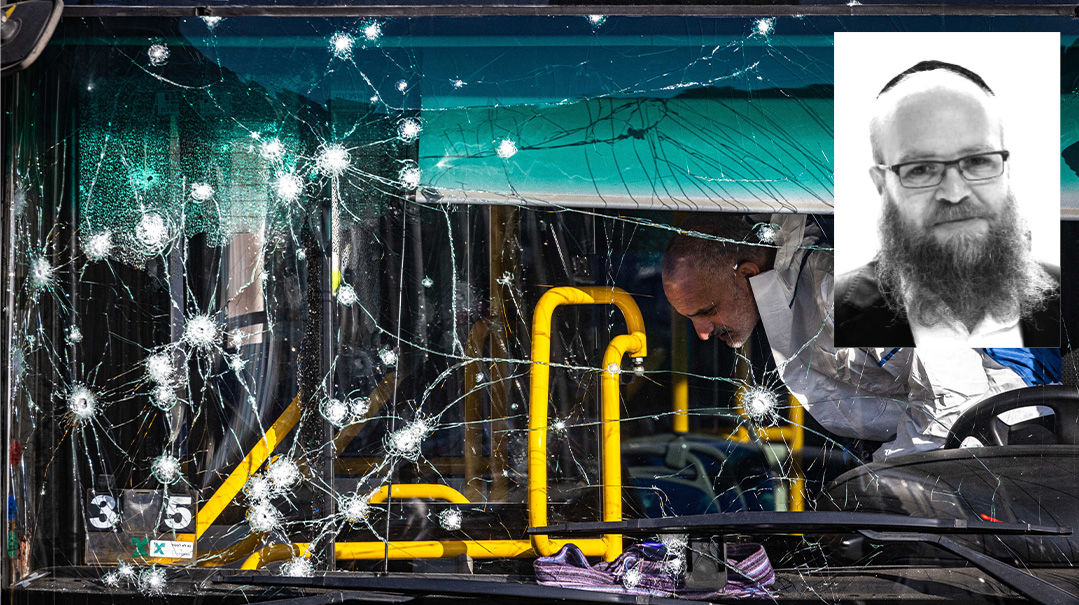
The first bomb, at the main entrance to Jerusalem, blew up at about 7 a.m., an hour when dozens of people wait for public transport every day. The second bomb, which detonated a half hour later, was hidden in a bike at a bus stop at Ramot Junction, which is also often crowded at that hour of the morning. Miraculously, a bus had just left that stop, carrying away most of the passengers who had been waiting there moments before the explosion, averting a much larger loss of life.
As of this writing, the identity of the perpetrators remains unknown, with none of the major terrorist organizations claiming responsibility for the bombings. The security establishment suspects that the attacks were carried out by a terrorist group whose members are East Jerusalem residents with Israeli IDs. The last bus bombing in Jerusalem occurred in April 2016, injuring 16.
Since last Wednesday, senior security officials have been holding situation assessments to determine whether the planting of the remotely detonated bombs indicates a shift in the tactics of terrorist groups operating from Judea and Samaria. The Shin Bet police and IDF believe the attacks were planned and executed by an organized terrorist network.
Sources in the IDF point out that planting bombs in a number of locations is a relatively complex operation, unlike the typical lone-wolf knife or shooting attack. It requires infrastructure, including money and multiple operatives. An operation of this size should leave a footprint, but this time the terrorists managed to slip through the Shin Bet and IDF net.
Create a free account to keep reading.