Boris did not respond. He seemed choked up and emotional. I wondered what it was in that casual question that had touched him so deeply
From children to elderly men, no one is turned down. The activities of Bris Avos often require renting out operating rooms in hospitals because, after a certain age, such procedures by law must take place in a medical facility. Bris Avos covers all the costs, even paying for a small seudah after the bris.
It wasn’t the sales pitch that sparked my interest, it was the videos he showed me on his handheld camera of gedolim and tzaddikim, my own rebbi among them, participating in this wonderful mitzvah. He invited me to see their activities for myself and even offered me the chance to serve as sandek.
I couldn’t say no after witnessing the mesirus nefesh of such special Yidden. Many, if not all, came from completely unaffiliated backgrounds and had little or no connection to Yiddishkeit. Yet they contacted the organization and requested a painful procedure — sometimes they’d even arrive alone, without the consent of parents or family. Despite their backgrounds, despite the distance, somehow, they were aware of the primary importance of this cherished mitzvah.
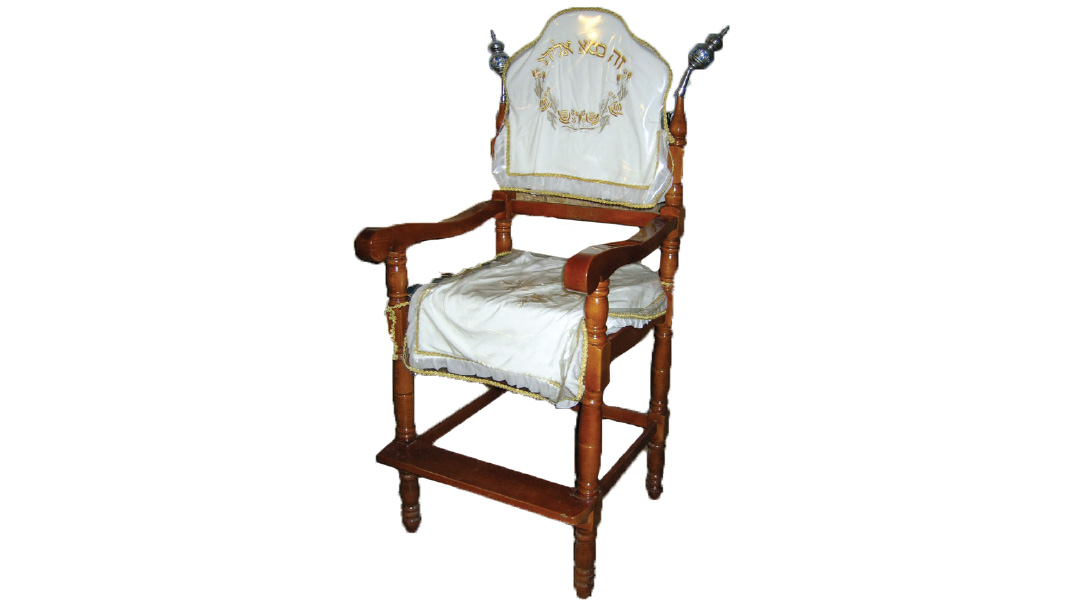
I arrived at the hospital eager and anxious. Rabbi Kramer introduced me to Boris, a 250-pound policeman. I hesitated. “How exactly am I supposed to be a sandek?” I asked. “I’m afraid I’ll get a hernia!”
Create a free account to keep reading.