The Lev Simcha era could be called a period of consolidation
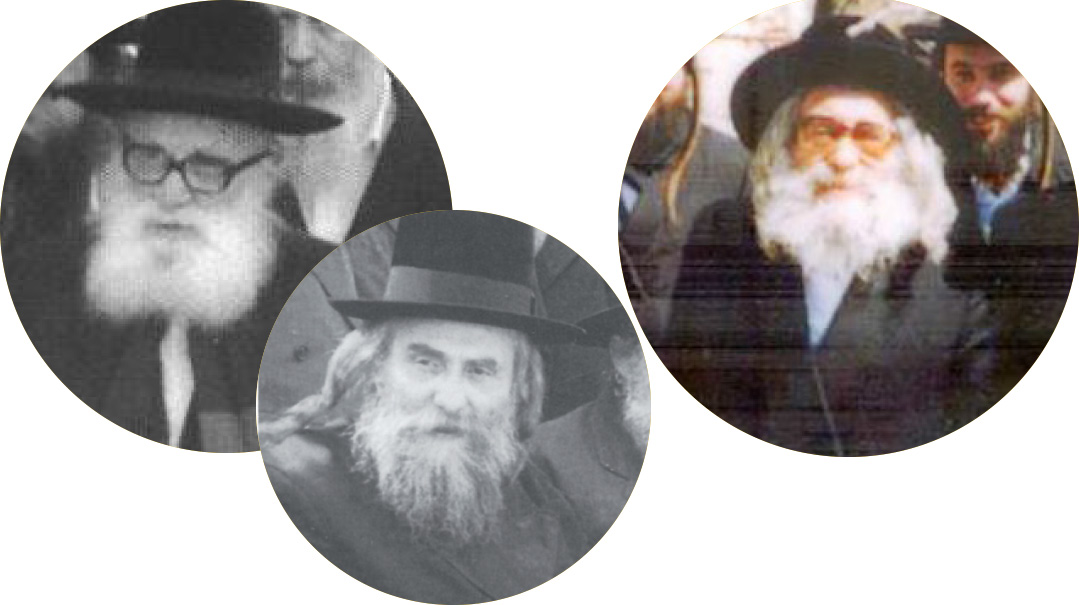
During his brother’s tenure, Rav Moshe Betzalel was the right-hand man and a beloved figure, so he seemed the natural choice as heir. Providence ordained otherwise, however. In the depths of the Shoah, Rav Moshe Betzalel turned down a visa to stay with the beleaguered chassidim in Poland, ultimately perishing al kiddush Hashem in Treblinka and becoming the Rebbe of the Kedoshim.
The Imrei Emes duly modified his will, and his oldest surviving son Rav Yisrael was tasked with rebuilding the decimated chassidus. Despite the personal loss of his family in the Holocaust, upon assuming the mantle in 1948, the Beis Yisrael set out to rebuild Gur and its institutions. His magnetic personality drew many to the ranks of the chassidus. At the same time he was very active in what he referred to as “the Tatte’s Agudah.”
Rav Simcha Bunim Alter had immigrated to Eretz Yisrael in 1934, long before the dark clouds had descended upon Polish Jewry. With his older brother assuming center stage, the Lev Simcha sojourned first in France and then in Antwerp, Belgium, where he engaged in a successful real estate enterprise. With the passing of the Beis Yisrael in 1977, Rav Simcha Bunim took the reins of leadership.
If the reign of the Beis Yisrael was characterized by ambitious building, the Lev Simcha era could be called a period of consolidation — establishing Gur communities in the periphery, regulating the lavish spending at weddings, and struggling to maintain Gur dominance at the helm of Agudas Yisrael.
Create a free account to keep reading.