It’s another thing that was trodden upon by the foxes who roamed the desolation of the Har Habayis — the ability to look at the other and see the image of God
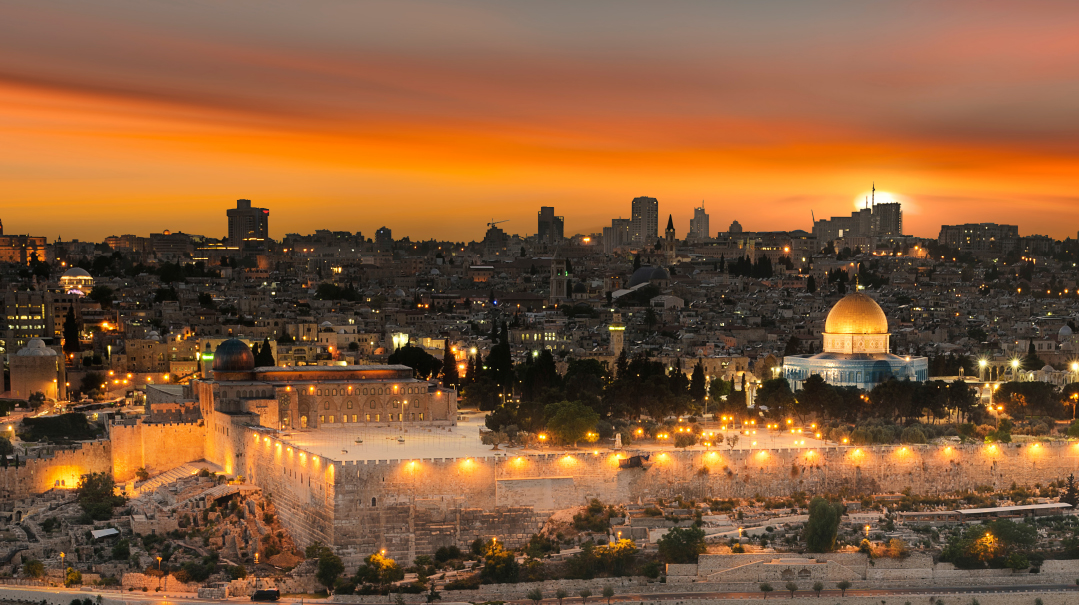
Soon enough, we found our tour guide. He’d promised a tour of the Old City that was “off the beaten track,” and eager to find activities, I’d signed up. Proximity to the Kosel, some history, a good story or two, and hopefully we’d get close enough to the Moslem quarter that my teenage boys would think we’d given them some action.
The tour guide was in his early thirties, longish curly hair topped with a small kippah, a rough T-shirt and jeans that looked like they had seen better days. My boys surrounded him, asking for stories of his days in the army. We meandered through the streets of the Old City, then moved on to the Moslem Quarter, visited the Kosel Hakatan and passed the tourist shuk, where housewives in abayes and hijabs argued over the price of melon, and mustached men fingered prayer rugs. The smell of incense mingled with the tang of fresh-squeezed oranges.
We turned a corner, walked up a street, and stopped outside an elementary school. A one-hundred-shekel bill slipped hands; the security guard swung open the iron gate and we trooped inside and up a small flight of stairs.
“Here,” said the tour guide, “is the best view of the Har Habayis.”
Create a free account to keep reading.