Scraps of parchment and ink testify to the Rambam's towering impact
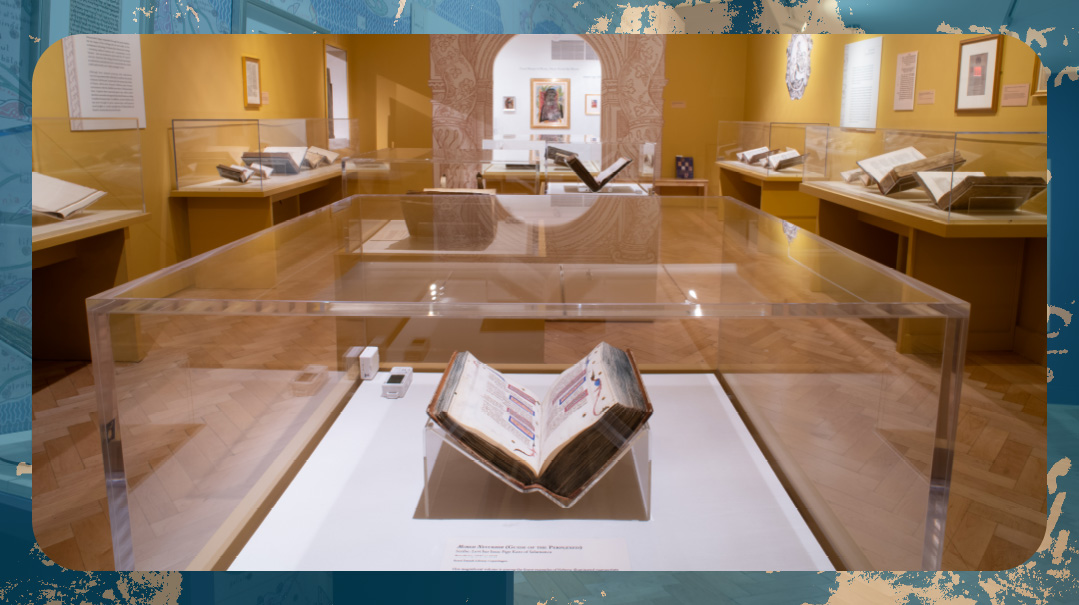
The world of antiques, manuscripts, and ephemera (including the very term “ephemera”) is generally reserved for scholars and collectors; the average layman doesn’t necessarily relate. An exhibit currently running at the Yeshiva University Museum, however, seems to be the rare exception to this rule. The Golden Path: Maimonides Across Eight Centuries, which has been running since the middle of last year and is slated to remain on display until this Thursday, is particularly unique in its wide range of appeal. And we want to give readers a glimpse before all the artifacts go back to their owners.
Rabbeinu Moshe ben Maimon, known as the Rambam or Maimonides, was one of the most impactful Jews in all of history. The scope of his work is breathtaking. He was the great posek, the codifier of Torah law via his magnum opus, the Mishneh Torah. He was the great philosopher whose monumental work, the Moreh Nevuchim (Guide to the Perplexed), has illuminated the path of rational belief for multitudes, both Jew and non-Jew alike. He was the great ethicist, whose Shemoneh Perakim and Hakdamah L’Cheilek describe proper behavior as well as correct beliefs. He was the great expositor, whose Pirush HaMishnah was the first full-length commentary ever written on the entire Mishnah.
He was the great leader of his generation — a beacon of light for the Jewish community, guiding communal affairs in his hometown of Cairo and as far away as Yemen. He was a teacher to the scholarly and educated, and he was a teacher to the simple Jew struggling to serve Hashem on the most elementary level. He was an advocate, a spokesperson, a fountain of wisdom, and so much more. And aside from all that, he was a preeminent astronomer and physician who authored seven works related to medicine.
In the eight centuries since he lived, his influence has only grown, as his writings and teachings have been the focal point of so many lives spanning many continents and eras.
Create a free account to keep reading.