If we truly cared, they would too. It does not suffice to keep Shabbos by default. We must be passionate about Shabbos
The initial victims of the attacks on October 7 were attending a Nova Music Festival. A Nova festival, for the uninitiated — as I was, until I was enlightened by a prominent rosh yeshivah, outraged that members of our community were visiting such an event — is a “trance” concert. These gatherings feature a certain type of rhythmic music designed to send its attendees into a hypnotic state, to achieve a sense of spirituality.
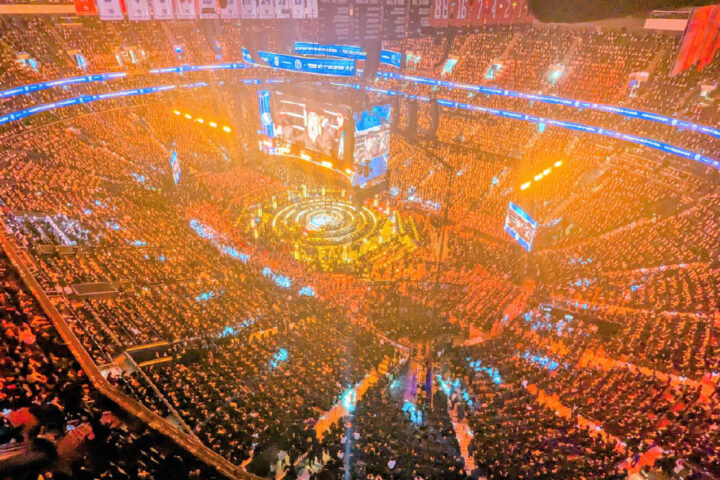
Whether this approach is rooted in avodah zarah is debatable, but as noted by Rav Chizkiyahu Mishkovsky, in a video clip shown at Dirshu’s recent Kabbalas Shabbos event, this much is clear. The massacre occurred on a Shabbos, Simchas Torah. The multitude of acheinu bnei Yisrael attending that event were seeking spirituality and a connection to something Higher — something that they should have experienced from simchas haTorah and shemiras Shabbos. But because they were ignorant of the true form of connection offered by their own heritage, they sought fulfillment elsewhere.
Rav Dovid Ozeri, who was also a featured speaker at the Dirshu event, related two stories that really drove home this point. He had recently traveled to Eretz Yisrael and visited the “museum” of hundreds of burned-out cars. He noticed a secular Jew crying and engaged him in conversation.
The fellow shared that he was at the concert when the attack occurred. He had barricaded himself in a safe room with ten other men. Upon realizing that their end was near, one of them recalled that some special Hebrew words should be said before one dies, but he could not remember them. No one else knew, but one person thought that the words may be “sefer Torah.” So they all began chanting “sefer Torah, sefer Torah” as they were massacred. This lone individual had somehow survived.
Create a free account to keep reading.