The approach is more than merely unconventional; it’s deliberately disruptive
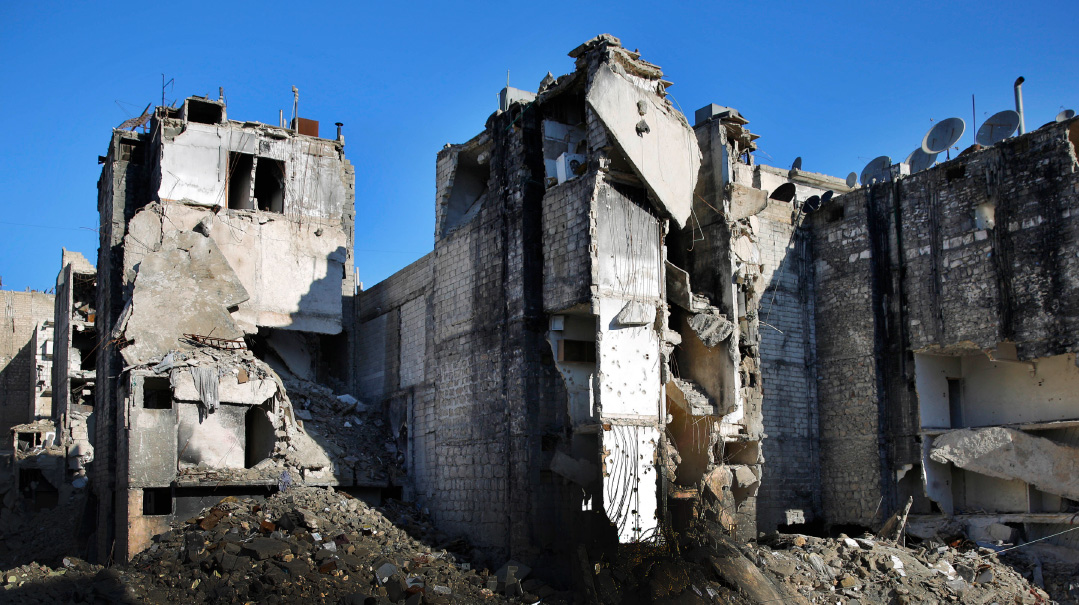
But I was certain I’d heard this floated before. (Trump’s Gaza proposal, I mean, not the relocation of Manhattan to Montana.) It wasn’t from the White House officials (who seemed the most shocked of all); and it wasn’t anyone I spoke to in Trump’s inner circle either (though they might as well have been in his outer circle).
Turns out, the most insane news cycle in DC’s history wasn’t the result of some off-the-cuff Trumpism. The groundwork was laid last summer, when Joseph Pelzman, a professor of economics at the George Washington University, penned a 48-page proposal that lays out this very vision in meticulous detail. It had been researched and structured, and was sitting in policy circles for months. The fact that the political elite and media acted like this was some lightning bolt from nowhere says more about their own lack of curiosity than it does about Trump’s unpredictability.
Which brings us to the real question: Decades deep into the rinse-and-repeat diplomacy, where nothing changes but the date on the press releases, why would a plan that actually breaks the cycle cause such a media-manufactured meltdown?
For the better part of a century, world leaders have been cycling through the same tired script on Gaza: war, outrage, ceasefire, repeat. Humanitarian groups issue urgent pleas, politicians deliver solemn speeches, and the UN drafts yet another resolution destined for irrelevance. But suppose, instead of another round of diplomatic busywork, someone treated Gaza like a failing business in need of a hostile takeover?
Create a free account to keep reading.