Singing of hope and endurance in the killing fields of Europe
The classic “Ashreinu mah tov chelkeinu, umah na’im goraleinu” is a perennial heart-thumping, foot-stomping essential for every heimish shul’s Simchas Torah hakafos. But for myself and my students whom I take to Poland, it has special meaning.
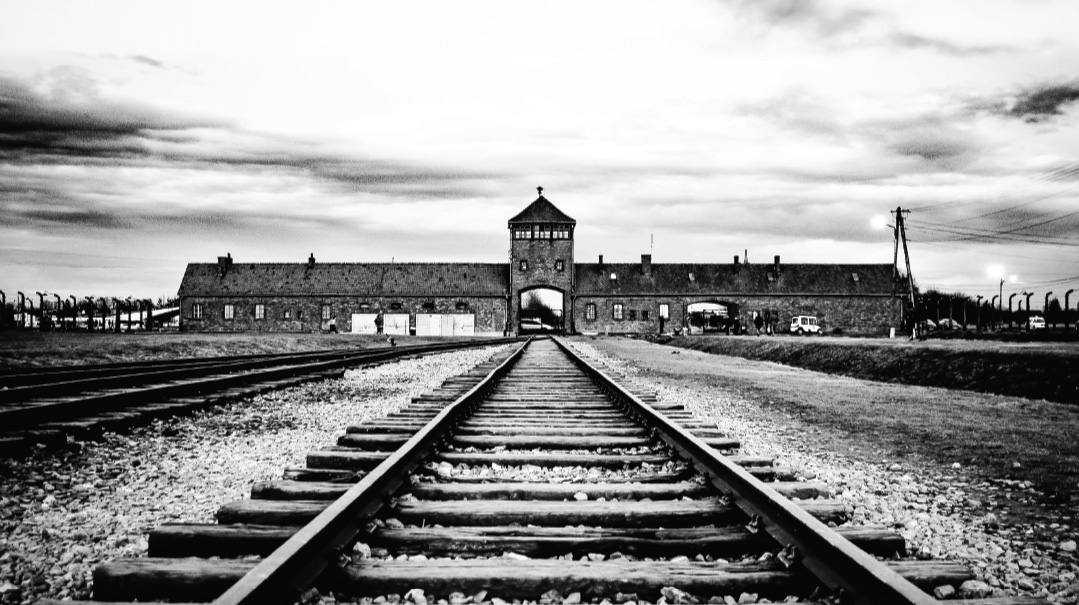
As the saying goes, it’s not pashut to be a pashuter Yid. Rabbi Yosef Friedenson a”h, legendary journalist and Auschwitz survivor, shared a story that is the essence of everything beautiful and inspiring in a “simple Jew.”
He described a Hungarian Yid name Binyomin, who occupied the cold slab of splintered plywood next to him in his bunk in Barrack 22. Every morning Binyomin would be moser nefesh to get up before dawn and daven with tefillin he had managed to hide. Just after Birchos Hashachar, as he reached the words “Ashreinu mah tov chelkeinu,” he would say each word with great kavanah, translating into Yiddish as he went along:
“Ashreinu — we are so fortunate! Mah tov chelkeinu — how wonderful is our portion! Umah na’im goraleinu — and how sweet is our lot!” He would then sing this again and again, maybe ten times.
Create a free account to keep reading.