The Hamas pogrom made two things clear: Israel was in the fight of its life against Iran, and Bibi’s legacy was in tatters
Imagine reaching the age of 75, and your life’s work still lies ahead of you. That’s the strange position that Israel’s forever leader now occupies as Iran’s proxies fall and the decades-long conflict comes to a crisis point.
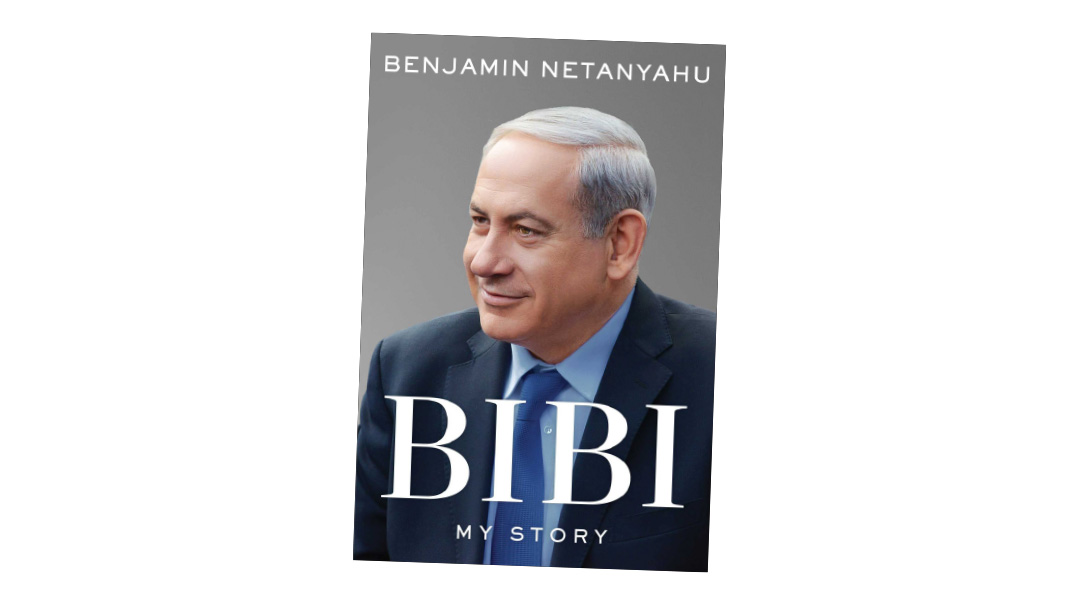
Three years ago, during his brief sojourn in the opposition, Netanyahu published his autobiography, titled Bibi: My Story. What a tale it told: a gripping account of his high-achieving youth in Israel and America, service in the vaunted Sayeret Matkal unit, UN ambassadorship, 1996 election as the country’s youngest ever prime minister, 1999 downfall, triumphant 2009 return and 12 years at the helm until being toppled again in 2021.
The crisp prose conveys the governing philosophy, media savvy, and political wiles that have made Bibi one of the world’s leading statesmen. Over 650 pages, Netanyahu made a compelling case that his own visionary leadership was the crucial factor in the bid to leverage Israeli innovation and hard power to make peace with Arab states. He set out the central place that Iran occupies in his thinking, and recounted how he combined covert action against Tehran’s nuclear program with diplomatic moves to isolate the Iranian regime.
The last page contained a postscript noting that Bibi had won reelection. Rather like Marlboro Man riding off into the sunset, it seemed that the rest was a question of time. Under Mr. Security, Israel was set for prosperity and Middle East peace with the Saudi accession to the Abraham Accords.
Create a free account to keep reading.