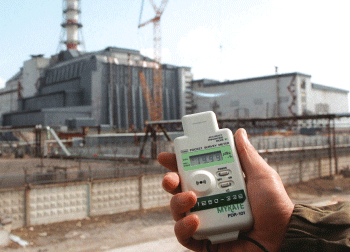
the Meltdown Never Ended,April 26, 1986, was meant to be a test demonstrating the safe operation of a Soviet nuclear power plant during a mock electricity outage. Faulty design and human error turned a routine test into a nuclear catastrophe 100 times more devastating than the atom bomb detonated at Hiroshima. Twenty-five years later, its surviving victims, including thousands of Jewish Ukrainians, are still suffering. And children born after the disaster will be feeling the devastating effects well into the next century.
Anya hoards chicken schnitzel in her sock drawer next to three apples and some rolls. She took doubles at lunch today. What if no food is served tomorrow? Not much time has passed since her evacuation on a rescue flight from her irradiated former hometown in the Ukraine. Life as a ward of the State of Israel is new to her Judaism unfamiliar but hunger pangs are very familiar.
Hebrew letters tease Misha as they dance tauntingly across the pages of his school books. He misses many classes because of his congenital heart condition and he has learning disabilities to boot.
Katya is in the hospital. Radiation-induced stomach pains have left her so weak she can barely stand. Her dorm mother stays at her bedside and spoon-feeds her like her real mother who has long since left this world.
Anya Misha and Katya are still paying the price for what was the worst nuclear power plant disaster on the face of the earth — at least until all of the damages are totaled from this year’s near-meltdown of Japan’s Fukishima Daiichi plant. They weren’t even born yet at the time of the Chernobyl nuclear disaster on April 26 1986 when an explosion released large quantities of radioactive contamination over much of the western Soviet Union and Europe. But although twenty-five years have passed babies born now in the contaminated region face at least as great a risk of radiation-related illnesses as the children who lived there when the reactor exploded.
Create a free account to keep reading.