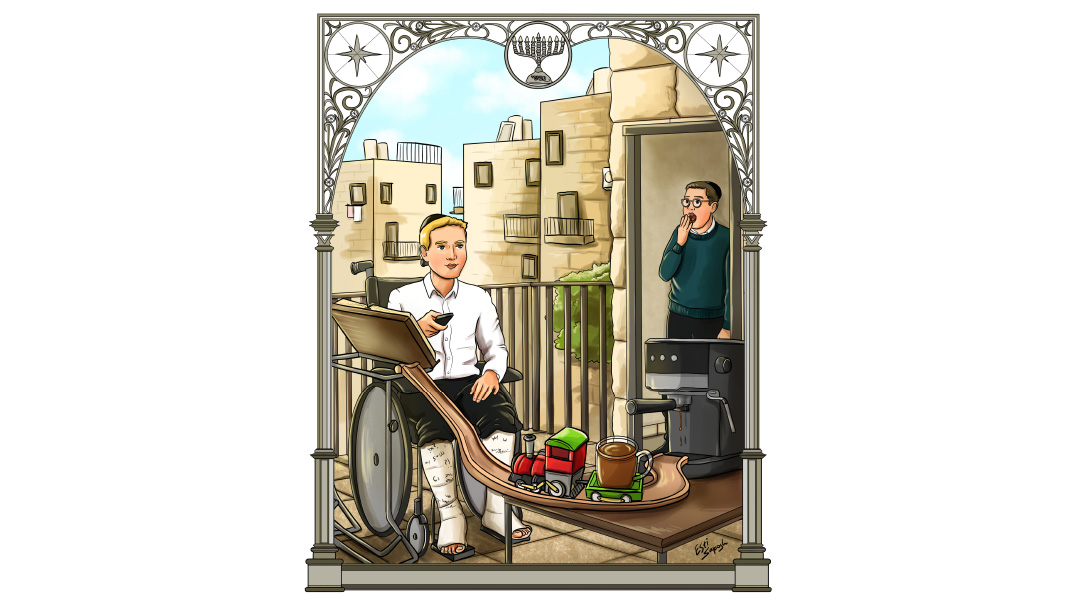
For a few brief minutes along the path of the eclipse, the world looked up
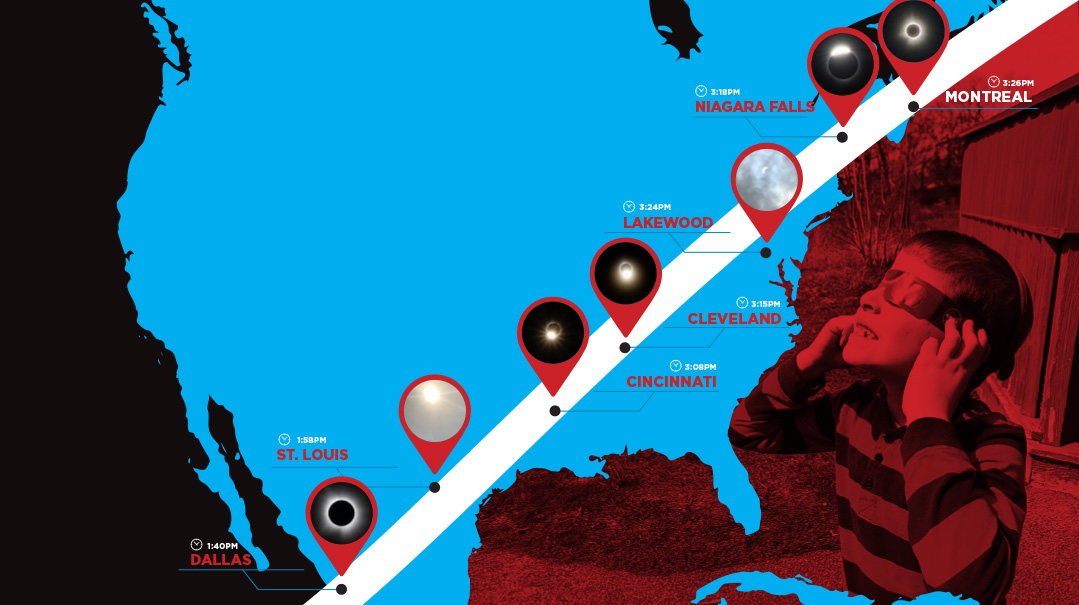
Project Coordinator: Gitty Edelstein
Unless you were observing a complete media blackout or somehow missed the eclipse-related tchotchkes in your local grocery store display, you’ve surely heard about the total solar eclipse on April 8, 2024, along with a bunch of complicated scientific terms thrown around by people explaining how it happens and what it looks like.
Lost? Here’s a basic explanation of last week’s cosmic event and how it works.
The earth’s orbit around the sun takes 365 days, six hours, and nine minutes to complete. Similarly, the moon revolves around the earth on a path that takes roughly a month. Naturally, there will be times when the celestial bodies come into alignment in their revolutions; that’s called an eclipse.
A solar eclipse happens when the moon passes between the earth and the sun, blocking the sunlight for a few minutes until the moon slowly moves out of the way. A lunar eclipse is when the earth is positioned directly between the sun and the moon, causing earth’s shadow to fall on the moon and make it look dark red.
Create a free account to keep reading.