The medical world has, thankfully, changed its methods when it comes to minor cuts, scrapes, and burns
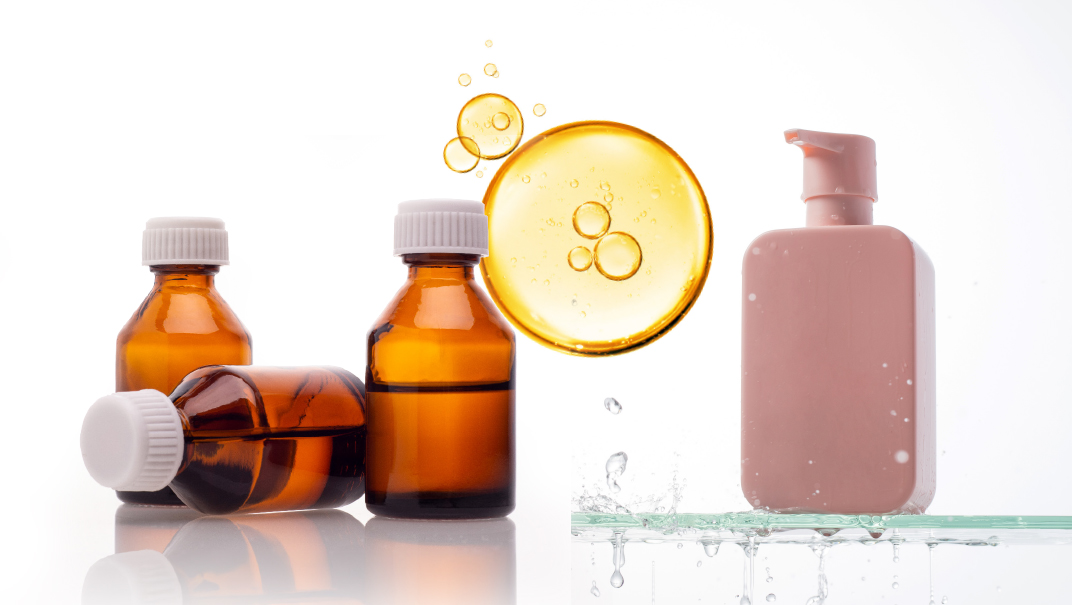
When I was a child, wound care was terrifying. When I scraped my knee bloody at the age of five, my father ushered me into the house, brandished a bottle of hydrogen peroxide, and matter-of-factly poured it over my boo-boo. At five, my pain threshold was low, and after my hysterical shrieking ceased, I decided that adults couldn’t be trusted with injuries.
But the medical world has, thankfully, changed its methods when it comes to minor cuts, scrapes, and burns, and disinfectant is now (phew) passé. Science has noted that while alcohol and peroxide do kill bacteria, they also annihilate the healthy tissue vital to healing, including the immune cells and fibroblasts, which produce collagen. Such measures can also impede new blood vessel formation, which is also necessary for recovery. In short, we no longer destroy the good with the bad. The new recommendation is that simple soap and water is sufficient to clean gashes.
That’s right, mild soap and water is all that’s needed. The surfactants in the soap break down any infection-causing dirt, and water washes it away. Don’t apply soap directly to the wound, but around it; then rinse with water. If soap and water doesn’t seem sufficient to you, there’s Hibiclens or Betadine, which are both gentle yet antiseptic cleansers.
As for burns: cool the burn with either cold compresses or running cold water for ten minutes, or until the pain fades.
Create a free account to keep reading.