“There is a recognition that we are at a critical crossroads”
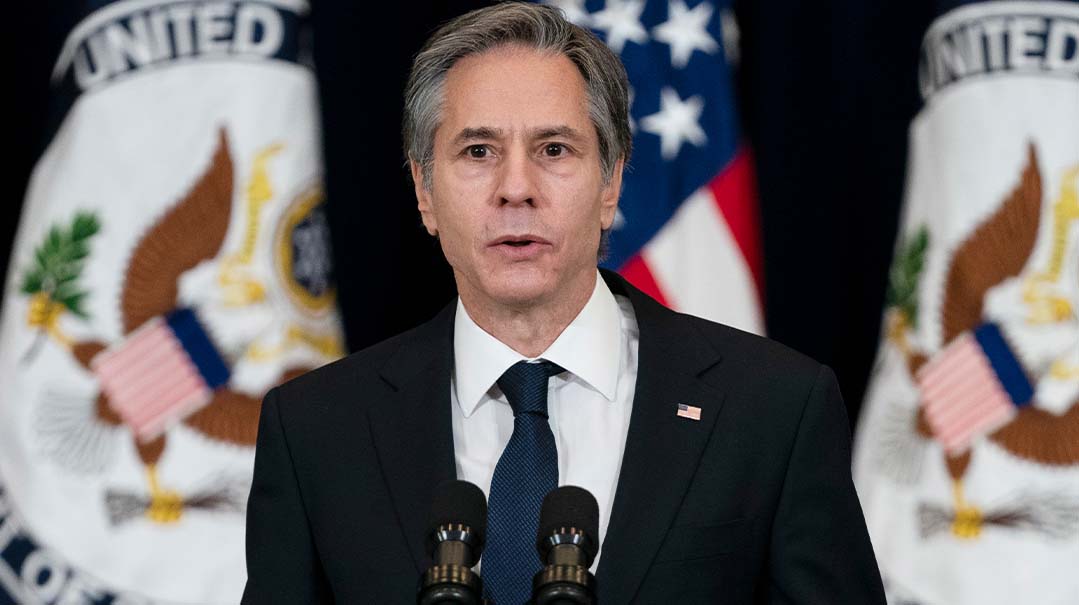
When Joe Biden entered the Oval Office in January this year, one of the most urgent tasks he set out was returning to the Iran nuclear deal. This goal was supposed to be an easy one to achieve. Obama administration veterans were brought on board: Rob Malley, a key figure in the original JCPOA negotiations, was made US special envoy to Iran, and Jake Sullivan was made national security advisor. Tony Blinken, Biden’s former advisor, was appointed secretary of state, and said the goal was for both sides to first return to the original deal, and then negotiate “a longer and stronger agreement.”
The feeling in Jerusalem was that a return to the nuclear deal was only a matter of time, that all it would take is sorting out a few technicalities. But the Iranians had different plans. Since Trump’s withdrawal from the deal in 2018, they continued uranium enrichment at an accelerated pace, and this time they’re coming to the negotiating table one step away from the nuclear threshold.
If Washington expected them to be desperate for a deal, they were soon disillusioned. The Iranians are not only no longer content with the 2015 terms, they want a lot more from the West in exchange for far more modest concessions on their own part. In their view, America has to not only lift all sanctions, but also commit to never impose sanctions in the future for Iran to even consider restrictions on its nuclear project.
The Iranians’ arrogance led to Blinken sounding pessimistic at the end of the week.
Create a free account to keep reading.