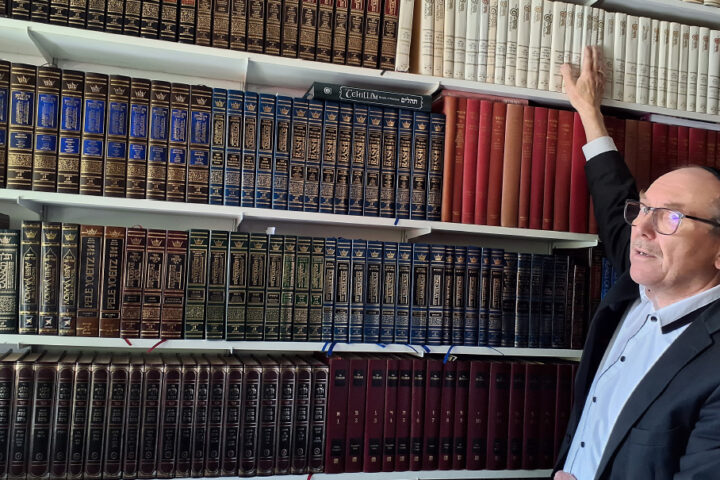
“The Jews had forgotten how to do shechitah for lamb and cows, so they ate only chicken,” Geula says. “They kept many traditions, but no longer remembered why.”
N eat and modest on the outside Geula Sabet’s home in Forest Hills is filled with striking Persian rugs elegant drapes and glass cases displaying fine china bibelots she has collected on her world travels.
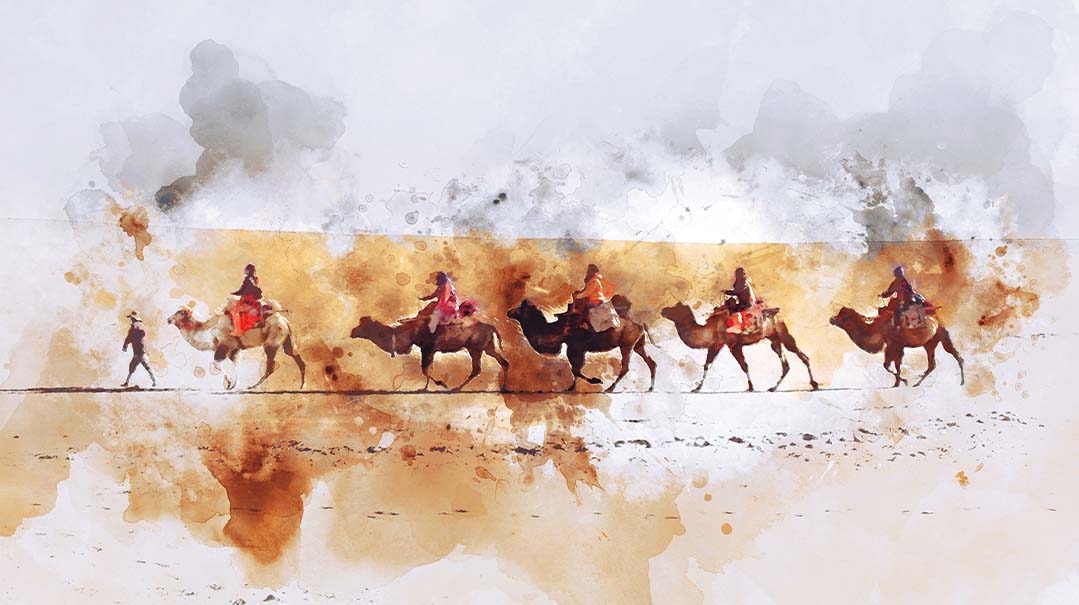
These days, Geula, 72, and her husband travel for pleasure and to visit their children in Eretz Yisrael. But several generations ago, Geula’s family embarked on a journey to save their lives. Her mother’s family fled Bukhara in the late 1930s, arriving in Eretz Yisrael via Afghanistan and Iran. There, her grandfather served as chief rabbi of the Bukharian community. In the 1950s her parents moved to New York.
In a casual skirt and shirt, Geula still looks young and fresh. There’s a touch of polite shyness to her manner, but Geula’s desire to share her heritage quickly overcomes her hesitation, and she spills out a wealth of stories. She has prepared for our meeting: hand-dyed silk caftans and embroidered, beaded Bukharian caps cover one couch, and the coffee table has been laid with fragrant green jasmine tea and a tray of dried fruit and nuts.
Geula’s life has been a journey. As a young child of immigrants in New York, Geula kept the house running while her parents worked long days. After her marriage at age 16, Geula resolved to get an education. “I hadn’t finished high school,” she tells me. “I had to get my GED, then convince Queens College to take me.” The entire process, accomplished while raising four children, took 14 years, including master’s work in Sephardic studies.
Create a free account to keep reading.