Binyomin Zev absorbed from this the principle of “b’chol derachecha da’eihu”— whatever you do, always have in mind Hashem’s will
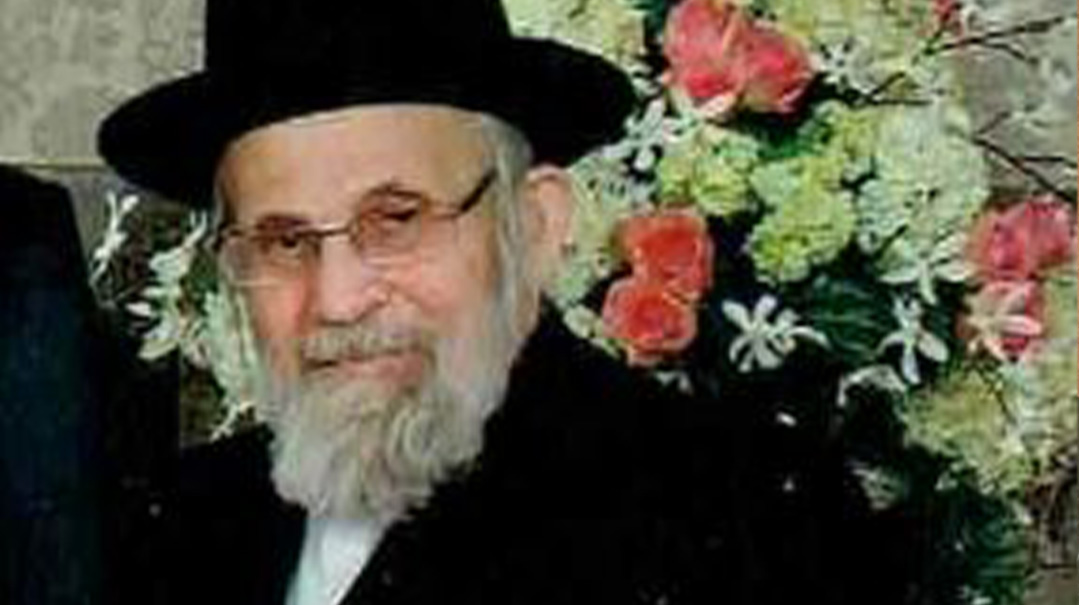
Mr. Lowy learned in Nitra, Slovakia, from 1937 through Elul 1944, when it was the last surviving yeshivah on the European continent, then hid when it was forced to close. He begged to live just one more day, and Hashem granted him another 80 years. He remained a lifelong Nitra talmid, the ways of the yeshivah clinging to him as he sat in the beis medrash well into his nineties, writing notes on the Gemara like a diligent yeshivah bochur; as he led Shacharis last Rosh Hashanah with emotion and solemnity; and as he treated those around him with old-world courtesy.
His mother, Chana Engel, came from Tokay, near Kerestir, where her brother, Rav Shloime Engel, was a very prominent chassid of Reb Shaya’le zy”a, and she had helped Reb Shaya’le’s rebbetzin cook food for the crowds who gathered at their table. But not long after Reb Shaye’le was mesader kiddushin at her wedding to Dovid Lowy, the young couple moved to Pressburg (Bratislava), and the Oberland influence defined their son’s life.
First educated in Pressburg’s Talmud Torah, Binyomin Zev was only 14 when he was sent to learn in Nitra. The yeshivah was led by the venerated Rav Shmuel Dovid Ungar ztz”l of Nitra, a tzaddik whose emphasis on Torah and avodah molded hundreds of talmidim. The young bochur would stay in yeshivah most of bein hazmanim and go home for just a single Shabbos.
All his life, he recalled approaching the Nitra Rav (known to talmidim simply as “the Rebbe”) to ask permission to go home for a Shabbos.
Create a free account to keep reading.