What theTraveling Chassidim havelearned along the way is that the Jewish neshamah has many ways of being ignited
“During the Friday night oneg, there was such warm chassidishe energy. Everyone was into the niggunim, and this guy drives up in his car, comes into the shul, sits down next to me, and asks me for a beer,” Rabbi Royde remembers. “I brought him a bottle, opened it for him as a gesture of friendship, and after that, we just bonded. On Motzaei Shabbos at the kumzitz, he sidled up to me and said, ‘You know, I’m 40 years old and haven’t put on tefillin since my bar mitzvah. Maybe you can help me do it tomorrow?’ I was astounded. We didn’t give lectures, we didn’t prove Hashem’s existence — we were just nice. We smiled. We danced. We sang. The people saw Shabbos. All I did was give him a bottle of beer, and the next thing I knew, he wanted tefillin.”
It would become a formula for the Traveling Chassidim, a national kiruv venture he himself would lead.
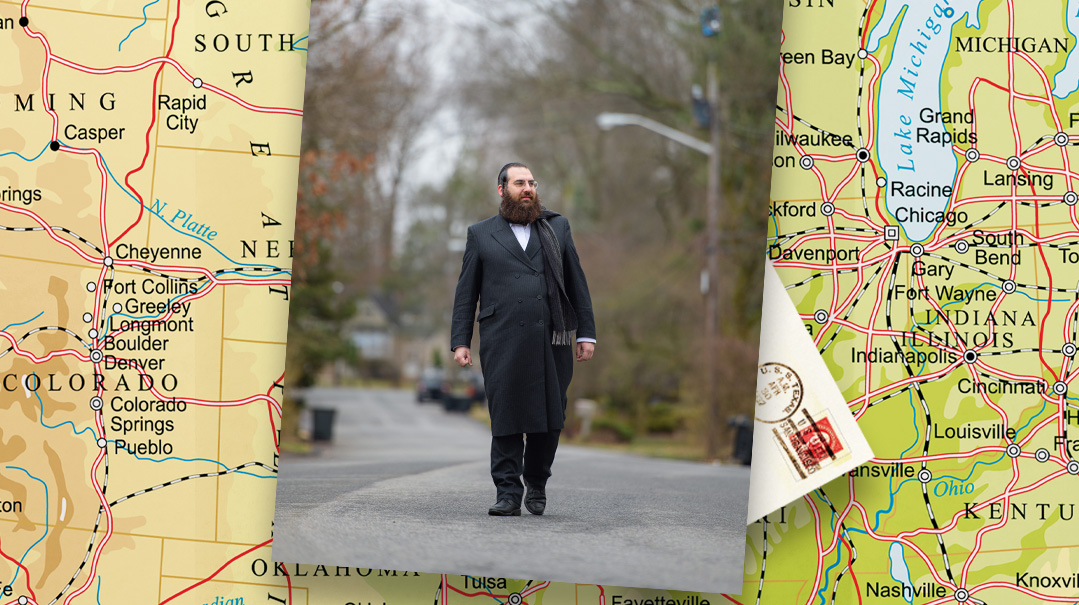
Rabbi Royde and his friend Eli Bineth, at the time director of a mentoring program training yungeleit to learn with teenage bochurim, took a kiruv training course through Project Inspire, and after that, “we couldn’t just go back to our complacent lives,” Rabbi Royde says. “How could we let millions of American Jews remain assimilated while we continued to bury our heads in Monsey? What could I do with my chassidishe friends that would be unique? How could I make my contribution?”
They didn’t have to wait long. In 2010, Rabbi Royde attended a Discovery Seminar held in Wilkes-Barre, Pennsylvania. Rabbi Raphael Nemetsky of the town’s congregation came up to him and sighed, “You know, nowadays no one cares that you can prove to them what’s true.”
Create a free account to keep reading.