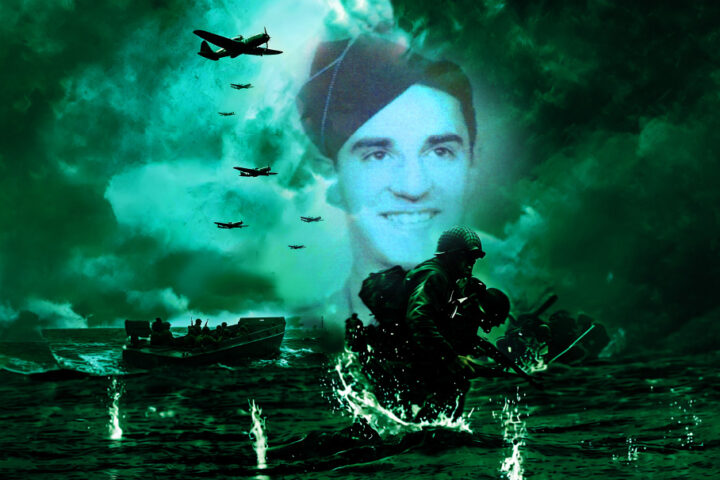
Rachelle Fraenkel's unflinching faith in the face of a parent’s worst nightmare gave strength to an entire nation.
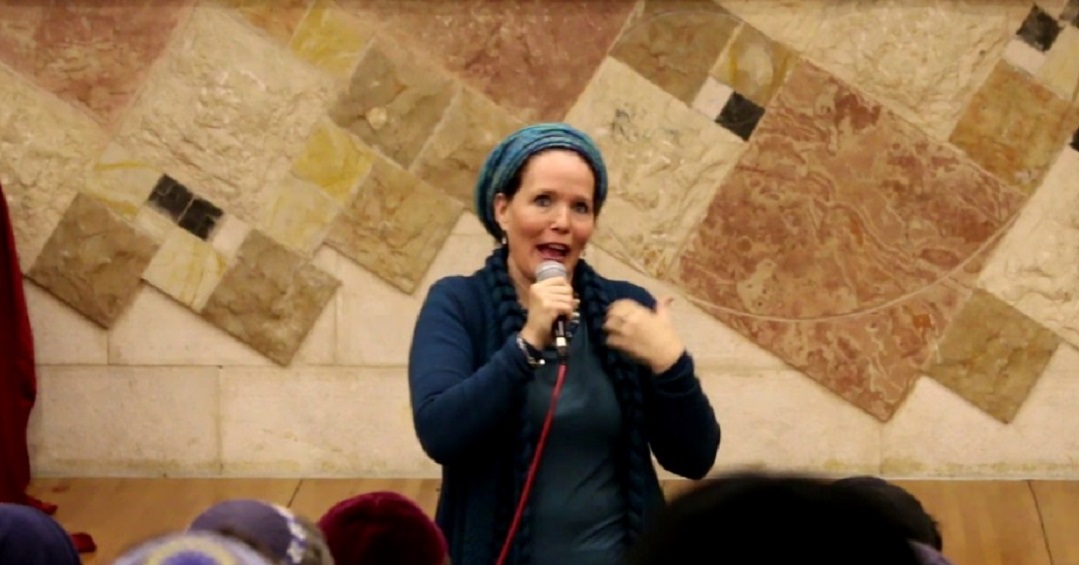
As the yahrtzeit of that triple burial approaches, after a year punctuated by additional tragedy, the Jewish People are somehow still feeling the uplifting spiritual messages of those desperate days. “It’s still an eit ratzon,” says Rachelle Fraenkel, whose unflinching faith in the face of a parent’s worst nightmare gave strength to an entire nation
Israel is no stranger to tragedy, and in the past year alone this beleaguered country has buried over a dozen civilians killed in horrifying terrorist attacks. So what was it about Gil-Ad Shaer, Naftali Fraenkel, and Eyal Yifrach Hy”d, three teenage yeshivah boys kidnapped and murdered while trying to get home for Shabbos, that has left such an indelible mark on our national consciousness and created such a wide-ranging environment of chesed and goodwill even a year later? What motivated entire kehillos to take on additional resolutions, and continues to inspire individuals to make more spiritual commitments in the boys’ memories as their first yahrtzeit approaches?
“I really don’t understand it either,” says Naftali’s mother Mrs. Rachelle (Racheli) Fraenkel, who together with mothers Bat-Galim Shaer and Iris Yifrach, inspired the Jewish world last summer with their unflinching faith and words of strength and hope in the face of a parent’s worst nightmare. She mentions how a few months later at that very same Gush Etzion bus stop where the boys were abducted, a terrorist murdered 26-year-old Dalia Lemkus — a South African native who lived with her family in Tekoa — and few people remember her name.

“If these same terrorists had gone out with their automatic weapons and sprayed people, no one would have remembered the names the next day,” she explains in a wide-ranging and deeply honest conversation on the eve of the boys’ first yahrtzeit, to be commemorated on their burial date of 3 Tammuz. “Because most of us, with our normal internal defenses, just can’t internalize all the tragedy around us, so we just listen, shake our heads, and move on. But once in a while something happens where there’s a window of hope. For 18 days the country lived with the hope, however slight, that ‘we’re going to find them, we’re going to rescue them, we’re going to bring them back to their families.’ I believe that as a nation, we had 18 days to hope, to feel, to let our defenses down and let ourselves into a place where we rarely dare to go. And when you’re in that place you just want to daven and to connect.”
Create a free account to keep reading.