For those who are skeptical, see if anyone you know still has the La Vista Evening of Stars tape, and decide for yourself!
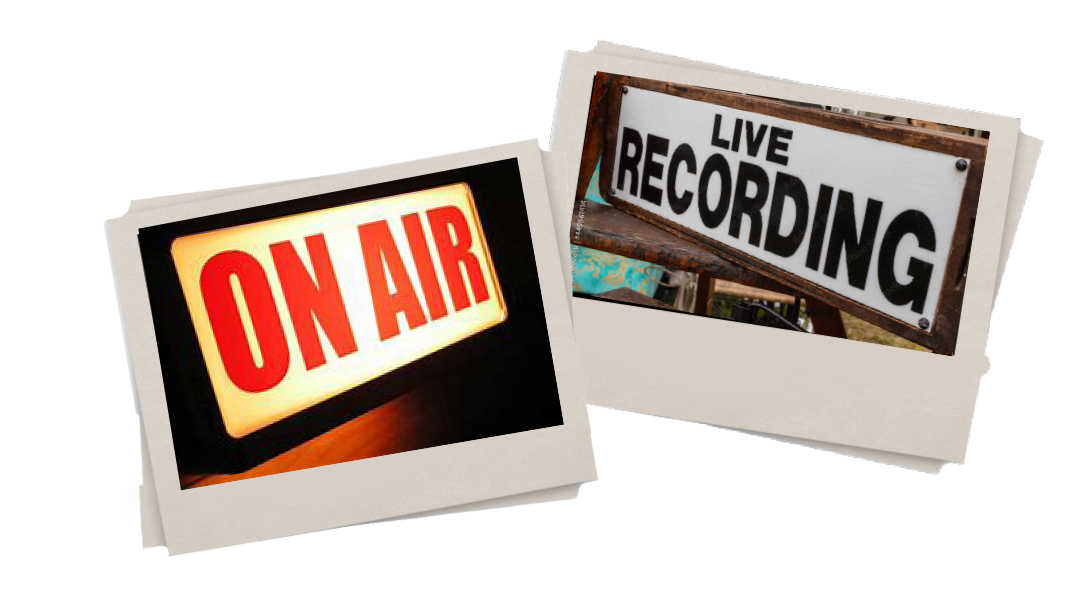
A while back, we discussed what goes into recording an album in the studio, and how today digital engineering means that singers and musicians in different continents and time zones can put together a seamless, perfect product. But what about the albums that are recorded live, when the performance might have some flaws?
The energy of a live concert is always special, even if the sound isn’t studio perfect. The way to get it up to album level is to bring a recording truck — it’s the size of a UPS truck — that contains all the components of a live studio, and then physically attach a wire from the truck to the console board in the auditorium where the concert is taking place. By doing this, you have the option to go back to the studio and fix up or do over any parts that don’t meet expectations.
Some of the most memorable early live concert albums included Yigal Calek’s London Live (Brooklyn College, 1975), HASC’s A Time for Music 1 (Lincoln Center, 1988), Shlomo Carlebach’s Yisrael Betach B’Hashem (Brooklyn College, 1974), and Miami Experience # 1 (Brooklyn College, 1991). But the truth is, it’s a gamble to record live because you never know how it will turn out.
Back in 1992, when the Diaspora Yeshiva Band had a reunion concert in Carnegie Hall, I passed on the opportunity to live-record the show, because I didn’t think the cost would justify the output. But in the end, the band was in top form, the concert was a huge success, and I was chastising myself for not recording it live after all.
Create a free account to keep reading.