When Jews come on pilgrimage to that sacred site, they should weep over this stone for the loss of all their loved ones
“[W]here else had so many Jews fallen al kiddush Hashem than these roads of the Warsaw Ghetto? Every street is a Mount Moriah, every stone is an akeidah. If, by some miracle, I survive this madness, perhaps I should bring a stone from Nalewki Street to Eretz Yisrael and place it alongside the Kosel Hamaaravi. When Jews come on pilgrimage to that sacred site, they should weep over this stone for the loss of all their loved ones, for the destruction of a large segment of Klal Yisrael.”
Mr. Seidman did survive the war, but the stones of Nalewki Street, along with all the magnificent shuls and batei medrash that graced Europe of yesteryear, did not. But a group of inspired balabatim are determined to perpetuate the legacy of these mikdashei me’at.
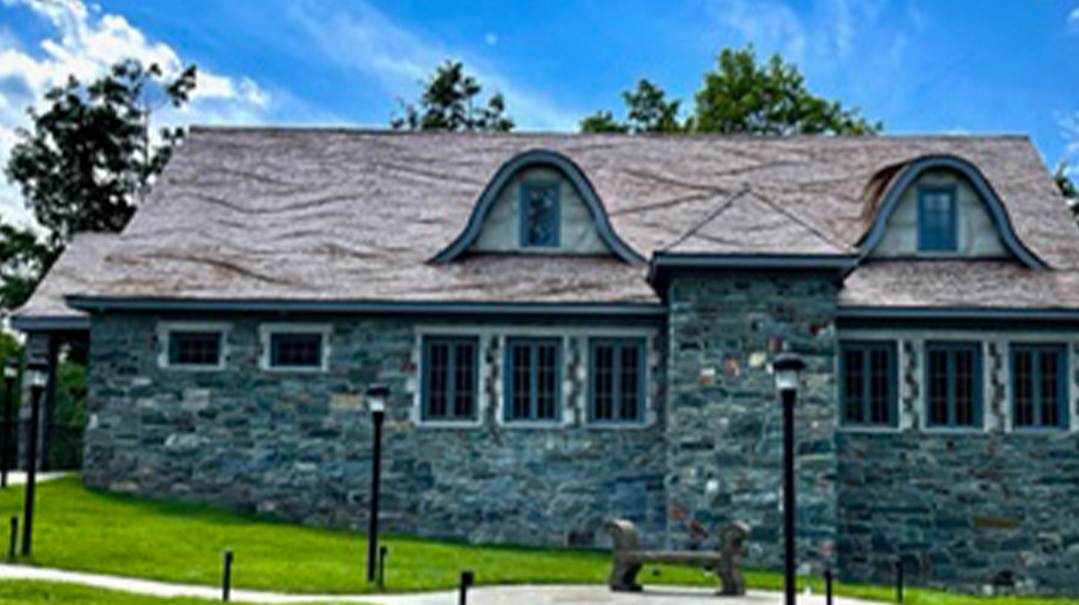
Situated in Monsey, New York, the “Baal Shem Tov Shul,” a replica of the sainted Baal Shem Tov’s shul, looks exactly like a Ukrainian shtibel, circa 1700. The shul’s design tells the story of our people, how we’ll never forget, how we’ll always rebuild. But the construction isn’t over yet. As part of the initiative, 22 bricks were retrieved from the rubble of destroyed European shuls and transported to New York, where they will be placed in the Baal Shem Tov Shul, bearing silent witness to a nation’s tragedy and rebirth.
Another seven bricks will be coming from the remains of a bunker in the Warsaw Ghetto. Recent excavations there uncovered the remains of a bunker where Reb Menachem Ziemba, the Aish Kodesh, and many other gedolim were murdered after a heroic stand.
Create a free account to keep reading.