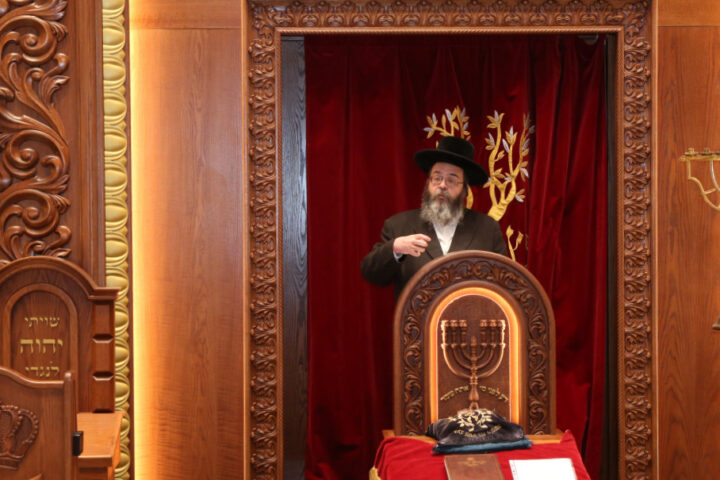
Rabbi Joseph Freilich lived outreach before kiruv was a livelihood
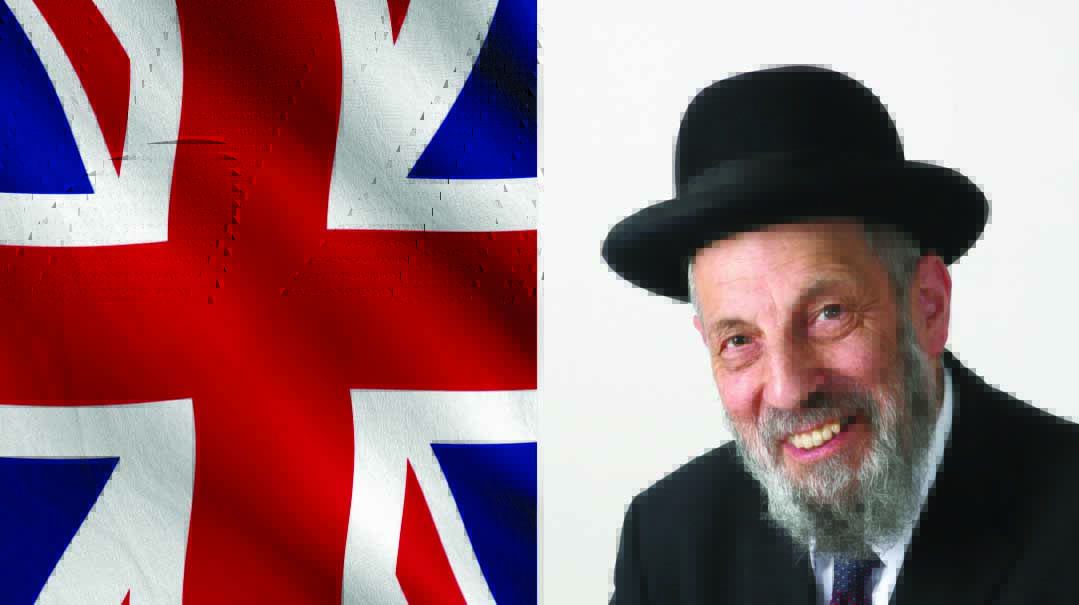
As a pioneer, Rabbi Freilich wrote his own script for kiruv. He could occasionally be seen sitting in the cafes in upper-class Hampstead to pick up unaffiliated Jews, and other times, he’d arrange Melaveh Malkah evenings with guest speakers who could attract a crowd. He travelled to the USSR twice to teach Torah and bring Jewish necessities to trapped refuseniks. Behind him were a supportive community who helped fund Dvar Yerushalayim and a select few who delivered additional shiurim.
Mr. Ralph Ullman, whose shiur continues until today, relates that because of Rabbi Freilich’s unlimited dedication and forge-ahead personality, in the community, people knew that “you can’t say no to Rabbi Freilich.” He remembers the time that Rabbi Kupetz from Manchester was supposed to fly to London on Motzaei Shabbos to speak at a Dvar Yerushalayim Melaveh Malkah. “The flight was canceled due to fog, so at the last minute, Rabbi Freilich got Rabbi Isaac Bernstein, a brilliant speaker, to step in. Rabbi Bernstein said he would never have come for anyone else. Another time a rav from Stamford Hill, who never spoke to mixed audiences, agreed to come, ‘only for Rabbi Freilich.’ ” Then there was the shul hall that couldn’t be rented for mixed functions, that was given to Rabbi Freilich, with no one batting an eyelash. He had a kind of unique immunity.
For her part, Rebbetzin Eva Freilich hosted students, cooked suppers, Shabbos meals, made sheva brachos and hosted Melaveh Malkahs. Alon Goren remembers how she once accompanied him to the emergency room. Her children remember that when their father was immersed in preparing his shiurim in his office and was pressed for time, Rebbetzin Eva would prepare his supper and then cut it into small pieces so that he could eat easily with one hand while he learned. Ten years after Rabbi Freilich’s passing, the rebbetzin still loves hosting classes in her home.
But part of being a kiruv wife in the 1970s and 1980s was the waiting. Rabbi Freilich would stay on after a lecture as long as people wanted to talk. Sometimes it was a spirited debate, at other times just genuine listening. With no cell phones to check his whereabouts, Eva would be patiently waiting.
Create a free account to keep reading.