At three auctions we visited, the products might be different, yet the fever’s all the same
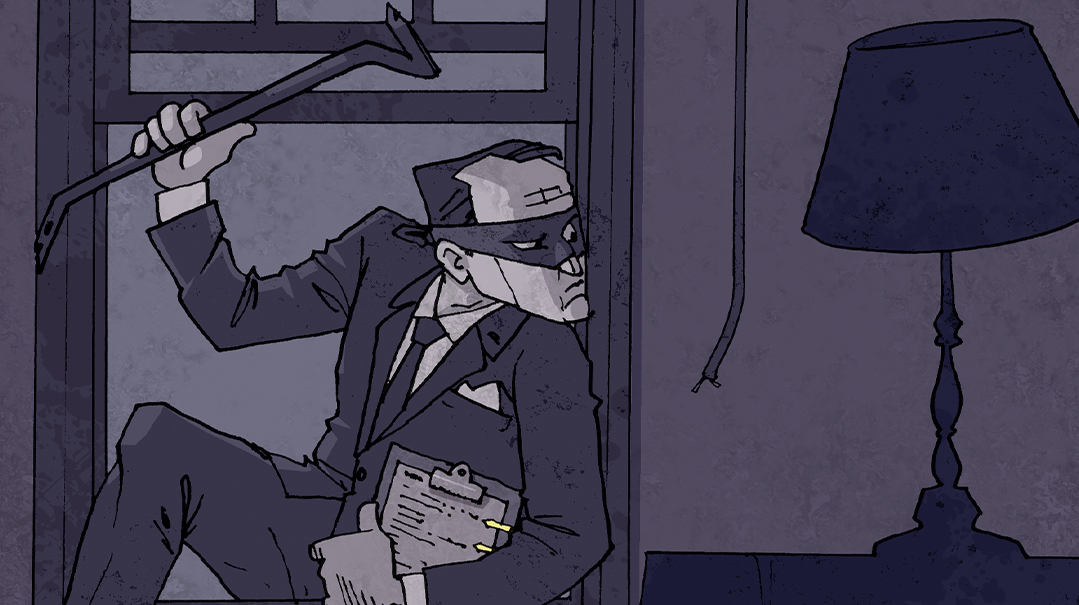
The metal detector buzzes loudly as we stand in line with dozens of others to enter the courthouse in downtown Cincinnati. This tall stately building is seeing a lot of action today. Some of those in line are there to support relatives facing trial, others are there to fulfill their civic obligation of jury duty, while Moshe and I are here for the weekly property foreclosure auction: We’re ready to roll the dice and see if Moshe can buy his first home at a steep discount.
This is actually more exciting than most sheriff auctions I’ve attended periodically over the years, mainly as an attorney on behalf of foreclosing banks. Although foreclosures are not my specialty, out-of-town foreclosure law firms often hire a local counsel to show up and bid on their behalf. It’s more than a little unpleasant if the family being foreclosed upon shows up and you’re the winning bid on behalf of the bank. In such situations, I’ve tried hiding, pretending to be late and needing to rush out, or sticking around for the rest of the auctions just to avoid getting cornered. As much as I explain that I’m just representing the out-of-town firm and know little about the case, I become the enemy that day, the one who’s taking their house away, helping the bank that will soon evict them and sell their home to a stranger.
But if Moshe can have a chance at a house today, I’m happy to help.
Foreclosed houses wind up at sheriff auctions after a lengthy process, starting when the homeowner stops paying the mortgage. Once the bank files the foreclosure lawsuit, the homeowner can still defend himself by poking holes in the bank’s mortgage or pleadings, showing the judge extenuating circumstances, or working out a loan modification for new payment terms. If that doesn’t work, the property is typically set for a sheriff sale.
Create a free account to keep reading.