This story has a happy ending— or, rather, a happy beginning
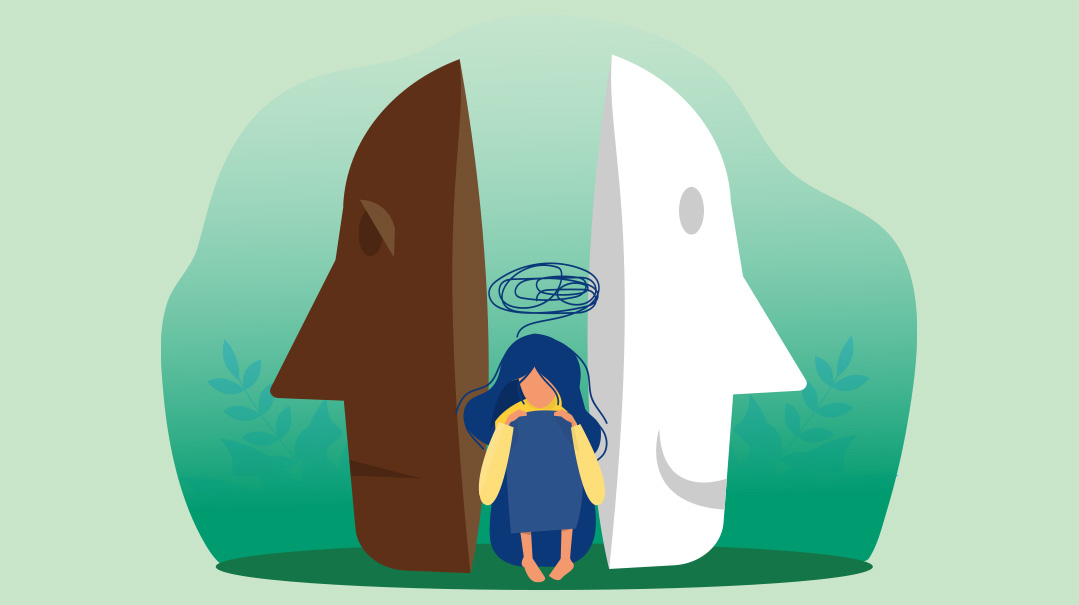
AS a teen, Gila* had a pattern of unhealthy relationships — she’d become overly focused on one friend, on high alert for signs of distance. Sometimes the friend would be equally clingy; sometimes it was one-sided. But it always ended with drama and tears. Gila’s mom couldn’t bear to see her unhappy, so she sent her to therapy, which terminated once Mom saw her revert to her “usual happy self.” Now that she was acting normally, Mom didn’t see any reason for her to continue.
At 24, Gila was still living at home. Her pattern of intense friendships continued, and the most recent breakup had been so traumatic that Gila finally admitted to herself that she couldn’t continue that way anymore. This time, it was Gila who sought out therapy.
In therapy, Gila began to understand how she’d always held back her tears and fears, even from a young age. Although no one ever explicitly told her she always had to be happy, there was an unspoken understanding that Mom couldn’t handle negative emotions, and Gila unconsciously took it upon herself to shield her mother from any unpleasantness. This generalized into taking responsibility for how others feel.
At her therapist’s suggestion, she also began a 12-step program for codependents. Slowly, Gila was able to give herself permission to feel a whole range of emotions — both positive and negative — and she gained tools to survive them without seeking escape or outside validation that she was okay. She began to express her opinions and was willing to endure the inevitable conflict. She let go of the burden of being responsible for other people’s feelings.
Create a free account to keep reading.