The mechanech’s job has evolved to include much more than imparting knowledge and grading quizzes. Are they up to the task? Is there a choice?
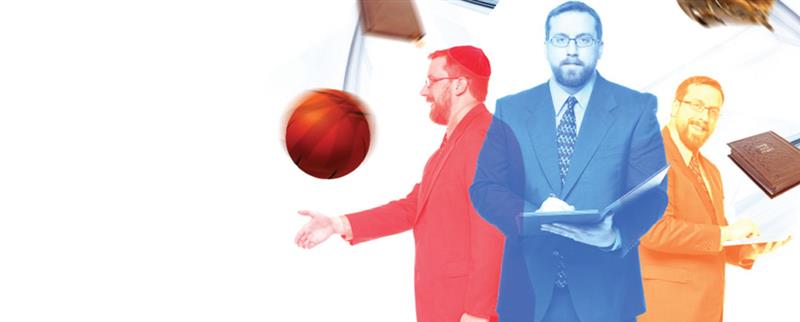

DO YOU LIKE YOUR STUDENTS? “In order to teach them you have to reach them” says veteran principal of Bnos Leah Yeshiva of Prospect Park master educator sociologist and teacher trainer Rabbi Yoel Kramer. “For younger children it’s crucial that they feel their teacher likes them. Older talmidim need much more than that — they need a real kesher with the rebbi. They have to feel that the rebbi loves them and is machshiv them. He has to try and make them feel good about themselves.
A game of baseball is in full force in a crowded yeshivah yard. Captains have been chosen teams picked. The sports crowd is playing hard; one boy sulks because he’s out and a few outsiders are looking on longingly. In another corner sits a small group who aren’t really paying attention — sports are not their thing and they’d rather trade cards. One boy is sitting outside with a book another makes his way solidly through several snacks. And watching the action all around is a man who in the past might have been taking his recess break drinking coffee in the teacher’s room: the rebbi.
Today’s yeshivah rebbi knows there’s even more at stake in his job than his students’ proficiency in Chumash Mishnah or Gemara. Due to many shifting societal factors affecting family dynamics from financial pressures to gender role reevaluations the mechanech’s job description has evolved to include coaching and advocating for his talmidim getting to really know each child personally and spending time with them out of the classroom both as a group and one-on-one. Of course there’s recess duty but today it goes beyond making sure no one gets pushed and no little fellow needs stitches. The rebbi’s antennae are busy gauging: Who is happy? Who is socially awkward? Who is not part of the chevra? For he knows that in order to teach his students he must first reach them. He needs to be aware of individual personalities and do whatever he can to make sure each child enjoys yeshivah and is happy with his level of social integration.
What has changed to bring these teachers into roles outside traditional didactic discipline? Old-time chinuch meant a child saw what his parents did — one zeide gave his boots away to a pauper the other broke the ice to immerse in a mikveh and his mother gave bread to the poor — and that was his main chinuch in Yiddishkeit. Today the child is out of the house for most of his waking hours and therefore his chinuch is entrusted to the authority figures that frame his life for most of the day.
Create a free account to keep reading.