The digital effort to capture every encounter with the Lubavitcher Rebbe
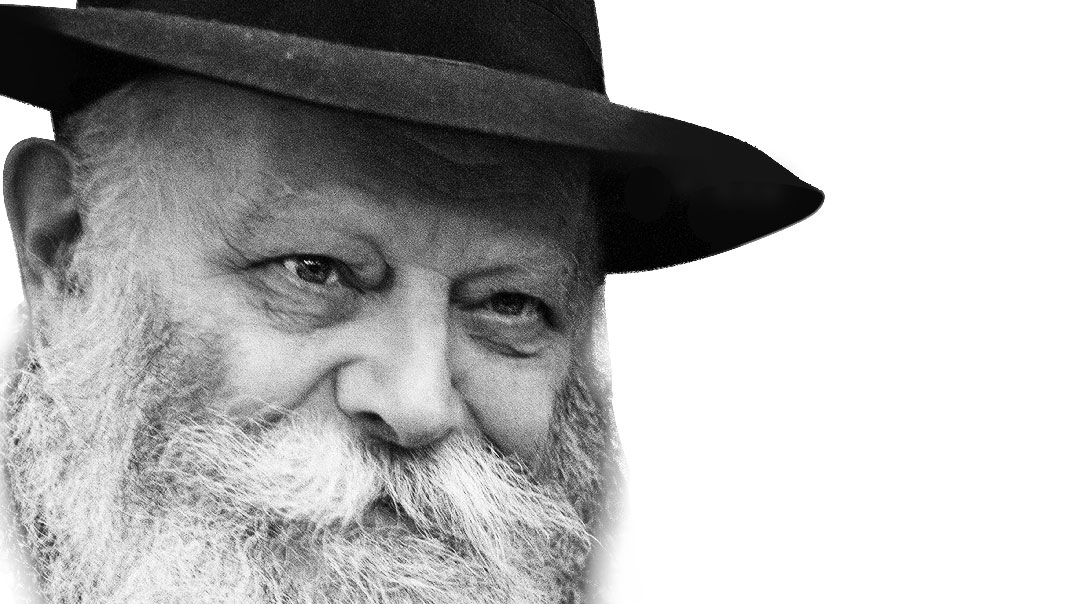
JEM’s own work began in 1980, with an inspiration from Reb Dovid Krinsky, the son of the Rebbe’s secretary Rabbi Yehuda Krinsky. What if Chabad communities around the world could experience the Rebbe’s major weekday farbrengens in real time, he wondered. He hesitatingly requested the Rebbe’s permission, and the Rebbe allowed him to introduce the TV cameras into the farbrengen.
From there, things grew rapidly. Before long, the Rebbe’s teachings were opened up to television audiences on cable channels around the world, translated live into a number of languages. Full-page ads were placed in the New York Times and other major publications alerting people to upcoming televised.
“At the time,” said Shmotkin, “the only others who used live transmissions were government officials and major news organizations. To book a satellite for four or five hours straight was unheard of. But, likely because the Rebbe always encouraged the embrace of technology for good things, it became a regular thing.”
The 1980 TV show, which is available through JEM, indicates that it was a farbrengen to mark 30 years since the passing of the Rebbe Rayatz on 10 Shevat in 1950. One immigrant from Siberia interviewed by the hosts said he would stay the entire night if needed, and a traveler from London said he came just for the night and would be leaving as soon as the event ended. Also interviewed were an Iranian émigré and a local child from Crown Heights. The child did not understand what the Rebbe said, he told the interviewer, because “my father didn’t explain to me enough.”
Create a free account to keep reading.