Could complimentary and alternative medicine involve Torah prohibitions against sorcery, divination, and avodah zarah?
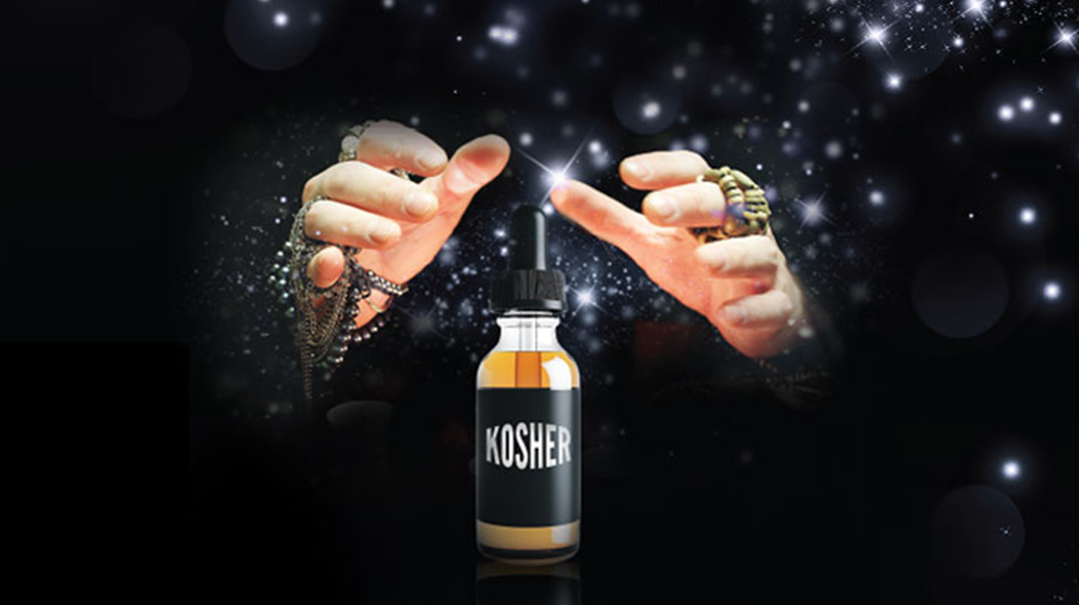
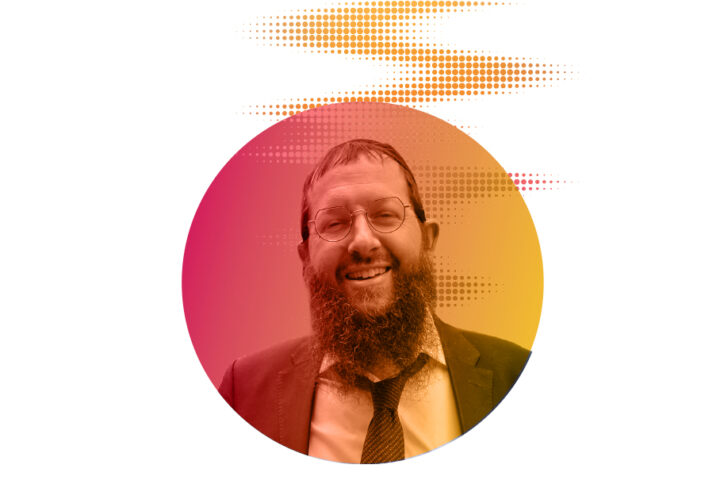
B ack in 2005 Rav Rephoel Szmerla of Lakewood decided to write a short kuntrus on the halachic permissibility of various types of alternative healing. In the end what he thought would be a six-month project took him a decade of intense examination: Do these practices utilize some yet undiscovered law of nature or do they harness a spiritual energy that could involve transgressions of sorcery and avodah zarah?
Day after day three-year-old Chaya’s behavior deteriorated leaving her parents who live in the Jerusalem suburb of Beitar beside themselves with grief exhaustion and worry. Whenever they tried to dress or bathe her she would go into hysterical fits that would last for hours. And although they made the medical rounds no doctor could find anything wrong with her physically or psychologically.
Finally after much urging from friends they finally decided to see an alternative practitioner specializing in health kinesiology. He tested Chaya’s muscles for signs of weakness while touching her with vials containing various foods and minerals. After testing dozens of samples he turned to Chaya’s anxious parents with a smile. “Your daughter is allergic to the laundry detergent you’ve been using.” They immediately switched laundry detergents and her tantrums subsided completely.
Most readers know someone who swears by at least some form of alternative healing — known collectively as CAM (complimentary and alternative medicine). These practices consist of a wide array of modalities that include such practices as homeopathy acupuncture reflexology kinesiology tapping and EFT acupressure dowsing flower essences geobiology hypnotherapy yoga Reiki TAT and feng shui (harmonizing your body not your home decor) to name a few.
Create a free account to keep reading.