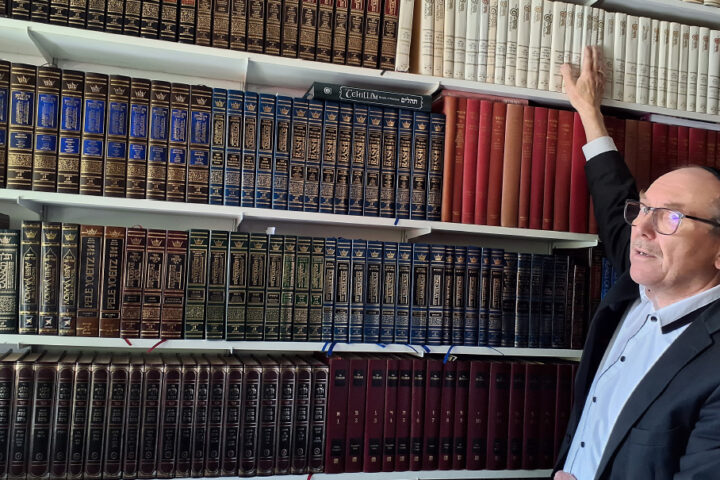
“‘What are you doing in Tel Aviv with no money?’ I asked him. I have strong intuition, so I knew this fellow needed a little hadrachah, not just a ride
S
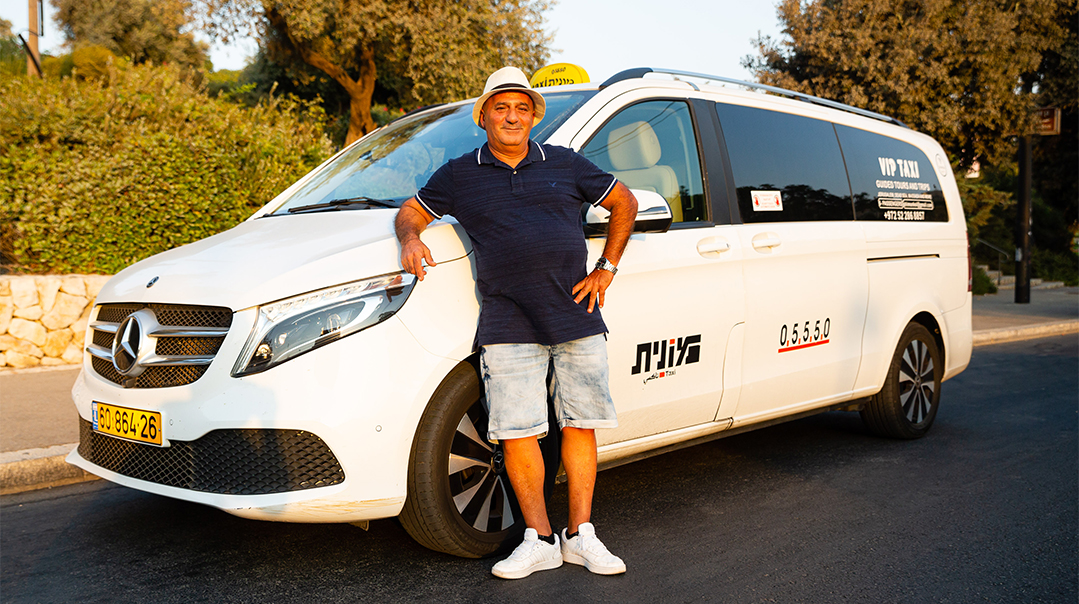
 himon Kohl, 59, is the quintessential people-person, and considers himself a bit of a psychologist as well. He’s been driving a Jerusalem taxi for close to 40 years now, and there’s nothing that makes him happier than taking customers to a site where they can pour their hearts out in prayer for their personal yeshuos.
And so, when I ask Shimon to pinpoint the site he loves best in Jerusalem, the answer is easy: the kever of the Zvhiller Rebbe, sandwiched between the Knesset and the Supreme Court, where so many singles storm the Heavens to find their zivug. And then, he says, it’s on to the nearby Knesset Rose Garden, a shidduch hot spot where many of those praying hope to find themselves soon.
Shimon drives off to a small – and until several years ago little-known – cemetery called Sheikh Bader, the name of a former Arab village that stretched from the hilltop of Givat Ram to Binyanei Ha’umah. After the 1948 War of Independence ended in a fragile truce, the Jordanian legion made itself at home in Jerusalem, taking over large chunks of the city, including the Old City and the ancient Jewish cemetery on Har HaZeisim. Jordanian snipers would regularly shoot at the burial convoys trying to get to the cemetery, so for the next three years, until Har Hamenuchos was opened in 1951, the dead of Jerusalem were buried either in the Sanhedria cemetery or in several graveyards hastily erected in various corners of the city. One of those graveyards was a small plot behind the old Shaare Zedek hospital on Rechov Yaffo; another was in Sheikh Bader, abutting the hill where the Knesset now sits, containing about 200 graves – graves that might have been forever forgotten if not for a dream and a tzaddik’s promise.
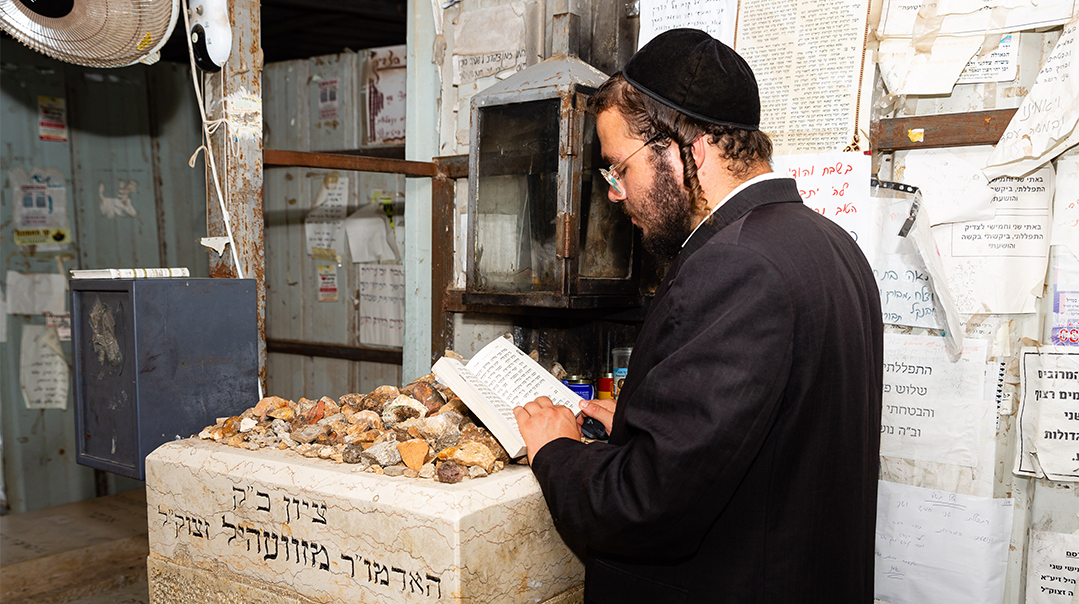
Because one of those kevarim is the eternal resting place of Rebbe Gedaliah Moshe Goldman of Zvhill, who passed away in 1950. A Torah genius and the son of the famed Rebbe Shloimke of Zvhill, he was appointed rav of the Russian town of Zhvill when he was only eighteen, after his father immigrated to Eretz Yisrael. He was soon exiled to Siberia though, but that’s when his greatness became even more apparent; during more than a decade of hard labor in that frozen wasteland, he never missed putting on tefillin, and never desecrated Shabbos. He was finally freed in 1937, joining his father in Eretz Yisrael and succeeding him as Zvhiller Rebbe in 1945. Rebbe Gedaliah Moshe, like his father, was a paragon of humility and a hidden miracle worker – his greatness known to the tzaddikim of Jerusalem who mourned his untimely death just five years later.
Create a free account to keep reading.