Three months in, have the fragile relationships of corona newlyweds survived the lockdown?
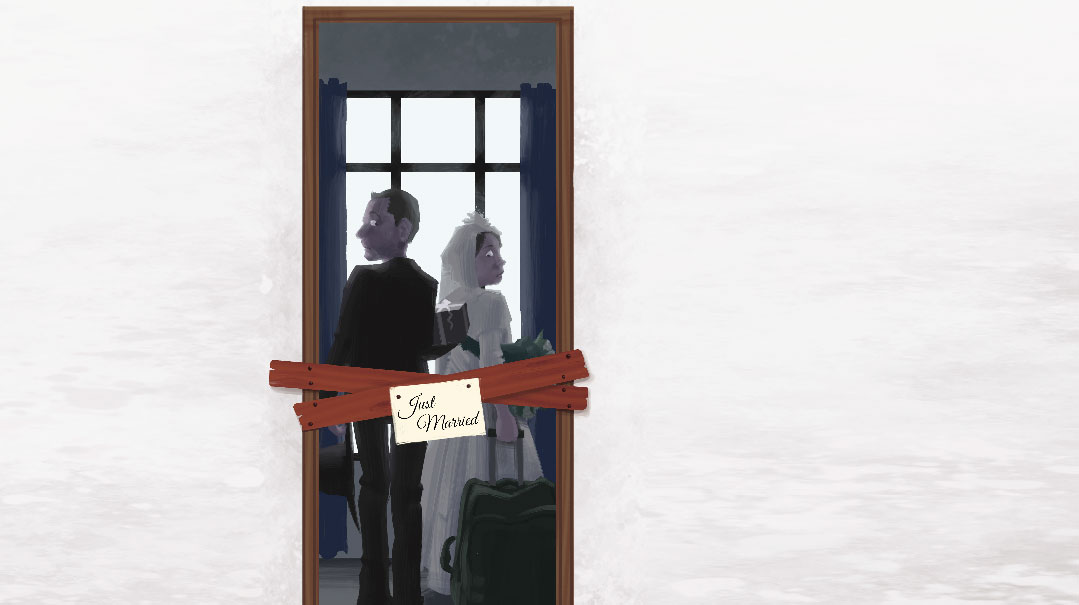
When COVID-19 hit and locked down civilization inside closed quarters, it was widely predicted to spell disaster for marriage. “For every marriage that was on the brink, this is what’s going to push people over,” Jacqueline Newman, a New York divorce lawyer and author of The New Rules of Divorce, told Fox News at the beginning of April, in the early days of quarantine. “It’s really a make-it or break-it situation,” she predicted. “Only the strongest relationships will survive.”
With such dire predictions, it’s no wonder that the frum world braced for crisis as well. The picture looked especially gloomy for newlyweds, many of whom barely knew each other when they were forced into 24/7 lockdown in often cramped quarters — suffering through the stresses of the pandemic without the history of a solid relationship behind them for support. For COVID-19 newlyweds — those who married before or during days of quarantine and closures — the overturned wedding plans, illness or death in the family, 24/7 isolation, and financial uncertainties are surely challenges they never dreamed they’d face when they made the l’chayim. And unlike couples who’ve already spent many years building and growing together, these couples haven’t yet had a chance to develop resilience together and don’t yet have a shared reservoir of mutual struggle and growth. All these were clear warning signs for danger ahead.
And in fact, as the lockdown continued, many of us heard stories of newly married chassanim and kallahs returning to their parents’ homes “until things become normal,” of rabbanim encouraging couples to postpone their weddings, of batei din being instructed not to accept gittin cases for the next few months, of helplines and therapy services flooded with young spouses who feel their lives are falling apart. But as the lockdown lifts and the sense of panic dissipates, a different story is emerging.
“As coronavirus started, I was getting comments like, ‘your office is probably swamped with calls from newly married couples in crisis,’ but that really wasn’t happening,” says Duvie Kessner, director of operations for Relief Resources, an international mental health referral service. “Although we’re certainly dealing with marriage-related issues due to the stressed weddings and lockdowns, the numbers don’t reflect crisis proportions or cause of panic. But one of the major communal activists called up our organization and told us that there was going to be a flood of couples seeking divorce due to the lockdown. So I immediately spoke to two batei din. One told me it’s not true, that they haven’t had any ‘coronavirus’ cases, only ‘run-of-the-mill’ gittin. Another beis din told me that they did decide to hold off gittin, not because they’re getting more requests, but because in general people who are going through tough times aren’t in the best frame of mind.”
Create a free account to keep reading.