Children should learn why they’re being asked to say thank you — and attach meaning to the words
Abby Delouya, B.A., B.Ed., RMFT-CCC
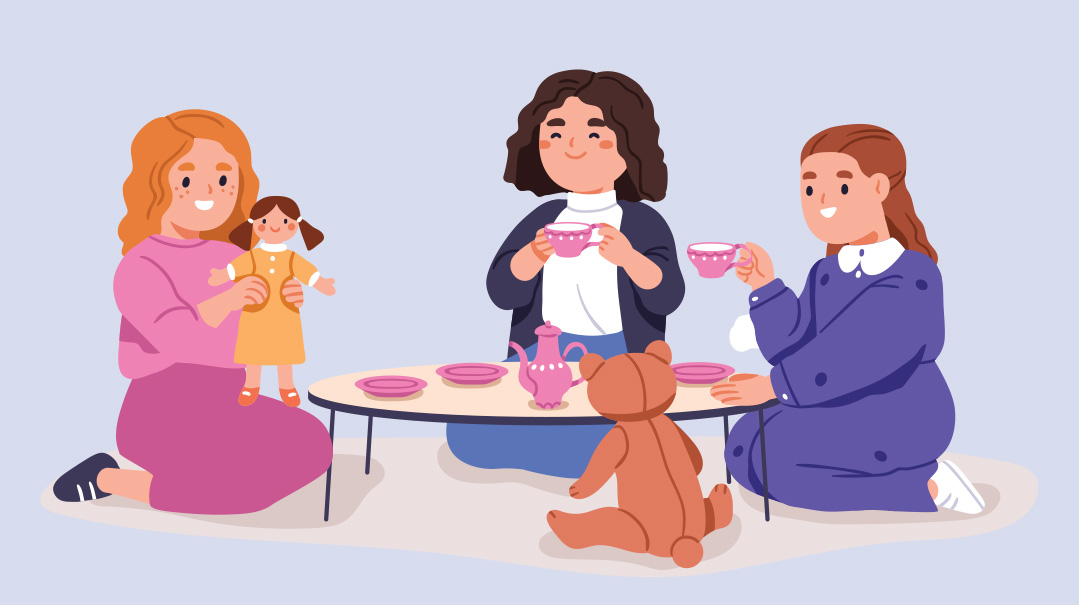
Gratitude isn’t something children acquire automatically. Research has shown that gratitude is linked to positive feelings, stronger relationships, and various health benefits.
While grief isn’t a particular disorder (yet may be linked to depression and/or Post-Traumatic Stress Syndrome), it’s a mental state that can impact our daily lives. People respond differently to grief.
There are five distinct stages of grief: denial, anger, bargaining, depression, and acceptance. Contrary to original psychological thought, they aren’t linear or necessarily predictable in terms of timeline. People can be triggered “back” to a particular stage by a yahrtzeit, a scent, an environmental reminder, or another relationship.
Because the only thing a person can do is “go through” the grief, we can feel helpless seeing our loved ones suffer. The best ways to support them are to avoid rescuing or fixing, not to try to force recovery, and making yourself accessible when and if they want to connect.
Create a free account to keep reading.