He constantly chose to focus on the positive. Yes, it had been terrible, but it was over. He had survived and married and built a family and he was so grateful. And relieved.
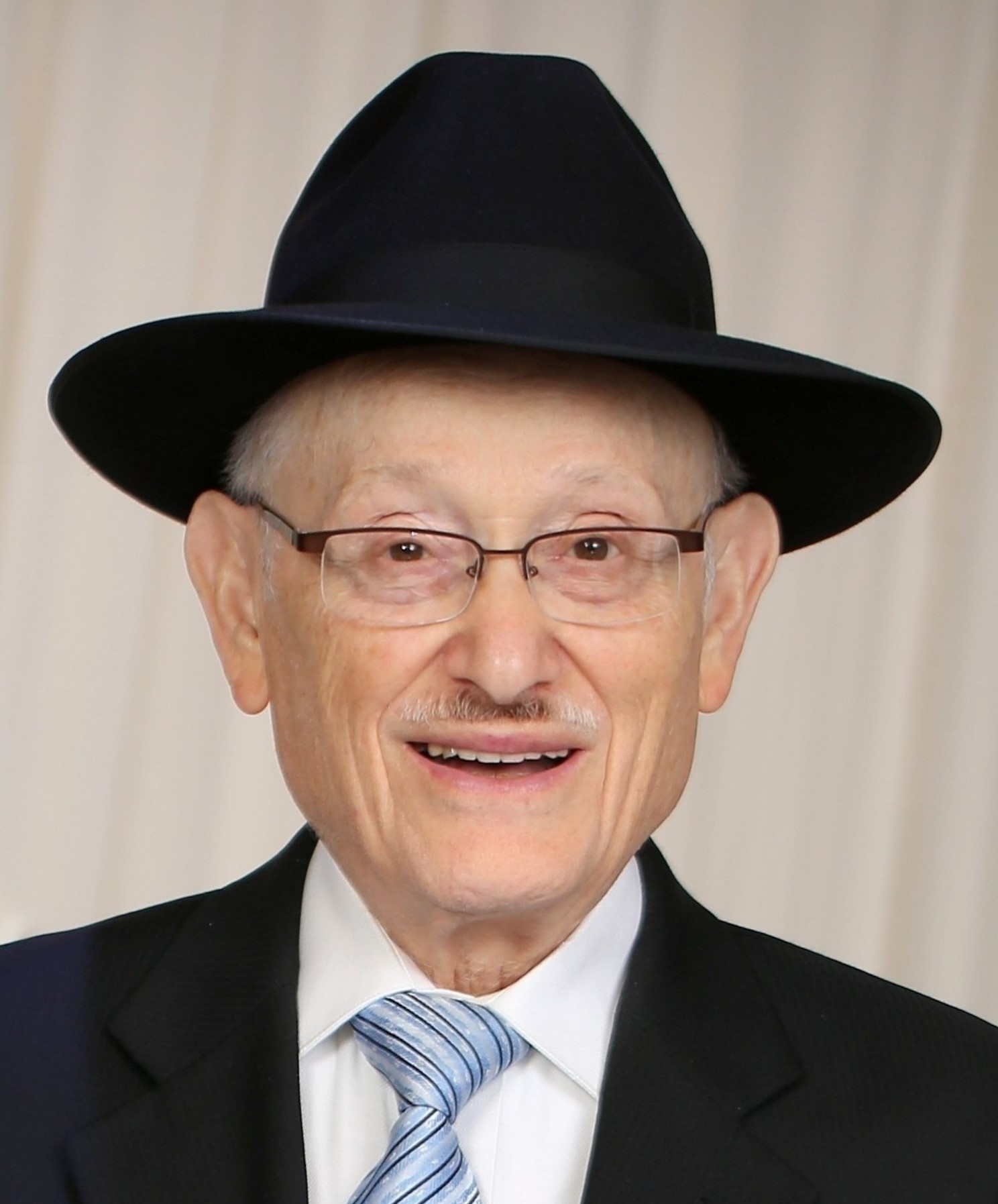
Mr. Shabsi Reis, zt”l, was a modest man who served his Creator with a straightforward, deceptively simple ehrlichkeit. A Holocaust survivor who endured Auschwitz and the decimation of his family with his faith and simchas hachaim intact, R’ Shabsi went on to raise generations of Torah-abiding Jews. To the end of his almost-90 years, he awoke each morning at 4:30 a.m., attended a mishnayos shiur at 5:00 a.m. and davened Shachris at 6:45 a.m. After davening, he would trek two miles to the Boro Park Rehabilitation Center to assist elderly residents with putting on their tefillin.
“When we were young and walked with him in cold weather,” recalls his daughter, “he would say, ‘Put your hand in my “toaster”’ and we would slide a little hand into his big, strong one inside his warm coat pocket. Not long ago, I was at my parents’ house for Shabbos, and even though I’m a grandmother, I slipped my hand into his ‘toaster’ as we walked to shul. He was simply ‘Abba’ or ‘Abba-Zaidy’ even to our children and grandchildren, the Abba of my youth until the end.
“My father went through the concentration camps and he’d have nightmares. My mother would call his name, ‘Shabsi! You’re having a bad dream!’ He’d sigh with relief, ‘Oh, thank you for waking me! They almost shot me!’ Then he would go right back to sleep! My mother was astounded — he’d just been in Gehinnom, wasn’t he afraid?
“I think that was his greatness,” his daughter continues. “He constantly chose to focus on the positive. Yes, it had been terrible, but it was over. He had survived and married and built a family and he was so grateful. And relieved. And with gratitude and relief, he could fall back asleep. In his older years when he had insomnia, he would count grandchildren, thanking Hashem for each of them.”
Create a free account to keep reading.