One of the historical curiosities of the mussar movement was the tendency of its tzaddikim to travel
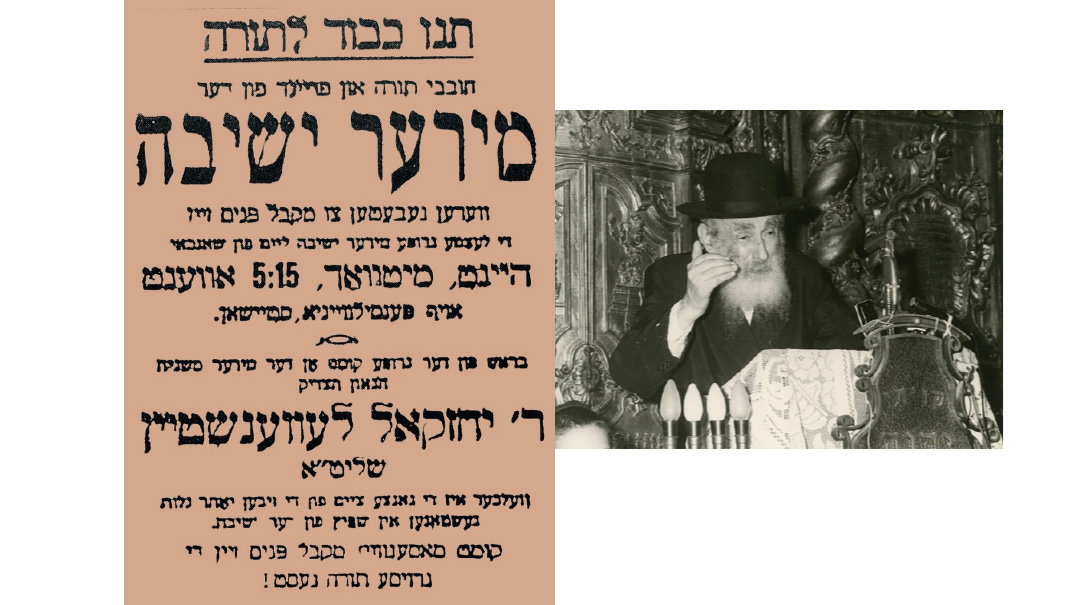
One of the historical curiosities of the mussar movement was the tendency of its tzaddikim to travel. Like prophets of old, they moved from place to place, disseminating the lofty message of mussar in one location for a period of time before continuing their sojourn in search of another receptive audience. Though the reasons behind this habit remain somewhat mysterious, it was likely due to a confluence of factors, including unique life circumstances, external world events, and personal choices.
Rav Yisrael Salanter set the tone with his frequent travels. Moving from Salant to Vilna in 1840, he began transmitting his message, which coalesced into the systematic ideology of the mussar movement. In 1848 he fled to Kovno to avoid serving in the government-established rabbinical seminary. Over the ensuing decade, Kovno emerged as the epicenter of the nascent movement, but its founder left in 1857, spending the remaining 26 years of his life traveling throughout Western Europe. He lived in the Prussian cities of Memel, Koenigsberg, and Berlin, and even had a two-year stint in Paris before he passed away in Koenigsberg in 1883.
This tendency to travel among mussarites was continued by Rav Yisrael’s students Rav Itzele Blazer and Rav Naftali Amsterdam. Both served in the rabbinate in far-flung cities of the Russian Empire — Rav Itzele in St. Petersburg and Rav Naftali in Helsinki, Finland. They both returned to Kovno and later settled in Yerushalayim. Interestingly, a primary destination of many baalei mussar was Yerushalayim, where they established themselves in Chatzer Strauss in the Musrara neighborhood.
With the proliferation of Lithuanian yeshivos adopting the mussar model in their curriculum in the early 20th century, mussar mashgichim would often serve in several yeshivos over their careers. Rav Leib Chasman served as mashgiach in Telz, rabbi of Ludvinova, and rabbi and rosh yeshivah in Shtutshyn; he was exiled to Minsk and the Russian interior during World War I, then returned to Shtutshyn following a short stint in Kovno. He immigrated to Eretz Yisrael in 1926 to assume the mashgiach role in the Slabodka yeshivah in Chevron, and finally settled in Yerushalayim following the 1929 Chevron massacre.
Create a free account to keep reading.