Israel faces a weakened Hezbollah, but nonetheless a group still capable of inflicting significant damage on the Jewish heartland
P
arallel to the developments in Syria, Israel is closely following movements in Lebanon.
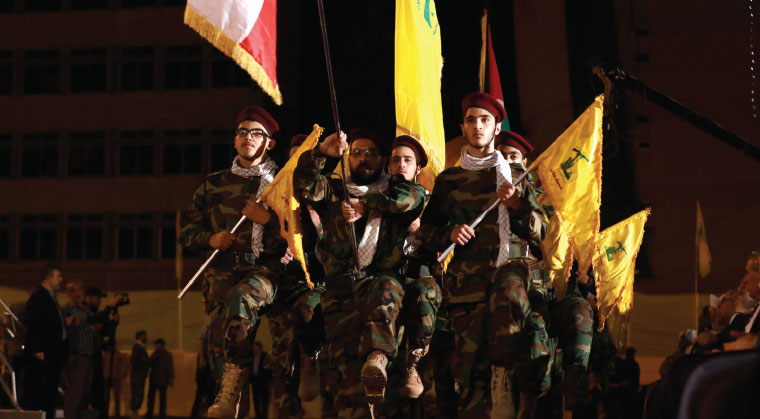
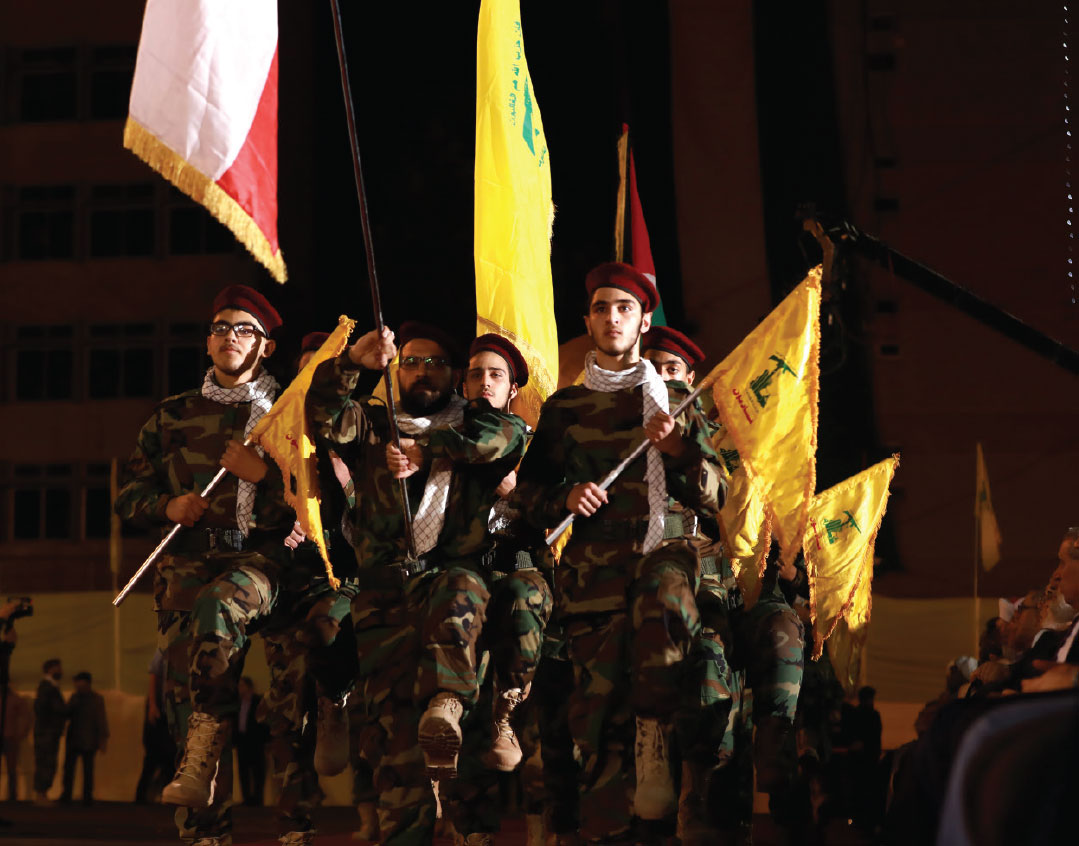
As the temperature rises in the Middle East, so does the rhetoric of Hezbollah leader Hassan Nasrallah. He recently bragged about possessing an arsenal of precision missiles capable of hitting all of Israel and declared that if Israel dares attack his missile production factories, he will set the whole region ablaze.
But figures in Israel’s security establishment remain confident and say the military is ready to face Hezbollah’s firepower. Tamir Heyman, head of Military Intelligence for the Israel Defense Forces, said last week that Israel is currently in one of the “safest periods” in its history. “We don’t need Nasrallah to give us updates about his precision-guided missile project,” he told a meeting of security ministers in Tel Aviv. “We know more about it than he does, and everything he revealed were things we knew already. To the best of our understanding, they have yet to perfect the system.” He further said that the United States is pushing the Lebanese government to confront Hezbollah’s influence in the country, a situation that is causing the terror group “considerable anxiety.”
According to military insiders, Hezbollah will not attempt to strike Israel in the near future for two primary reasons: one, a rapid decline in its military power; and two, a weakening of its financial resources. Additional US sanctions on Iran have meant drastic cuts to Hezbollah’s budget. In the past Iran provided as much as $700 million annually to fund the group’s activities. Today that has been cut to a mere $200 million, a reduction that has plunged the group into a deep financial crisis.
Create a free account to keep reading.