Could a US-Russia-Israel agreement build a new Middle East?
H
ere’s the deal: Israel and the United States will recognize the legitimacy of the Assad regime in Syria, America will soften sanctions on Russia, and Russia will undertake to curtail Iranian influence in Syria.
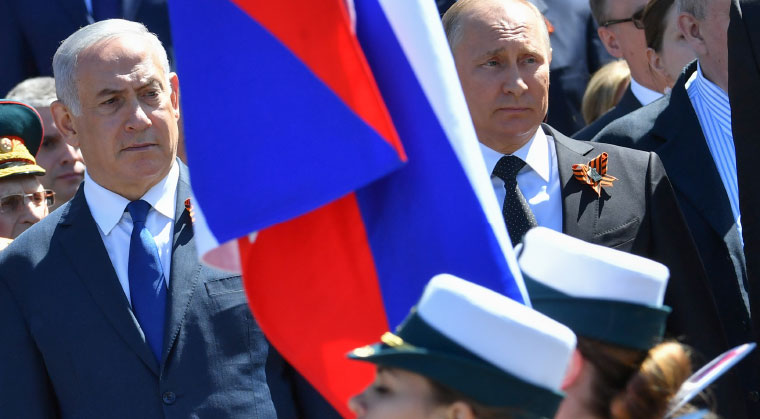
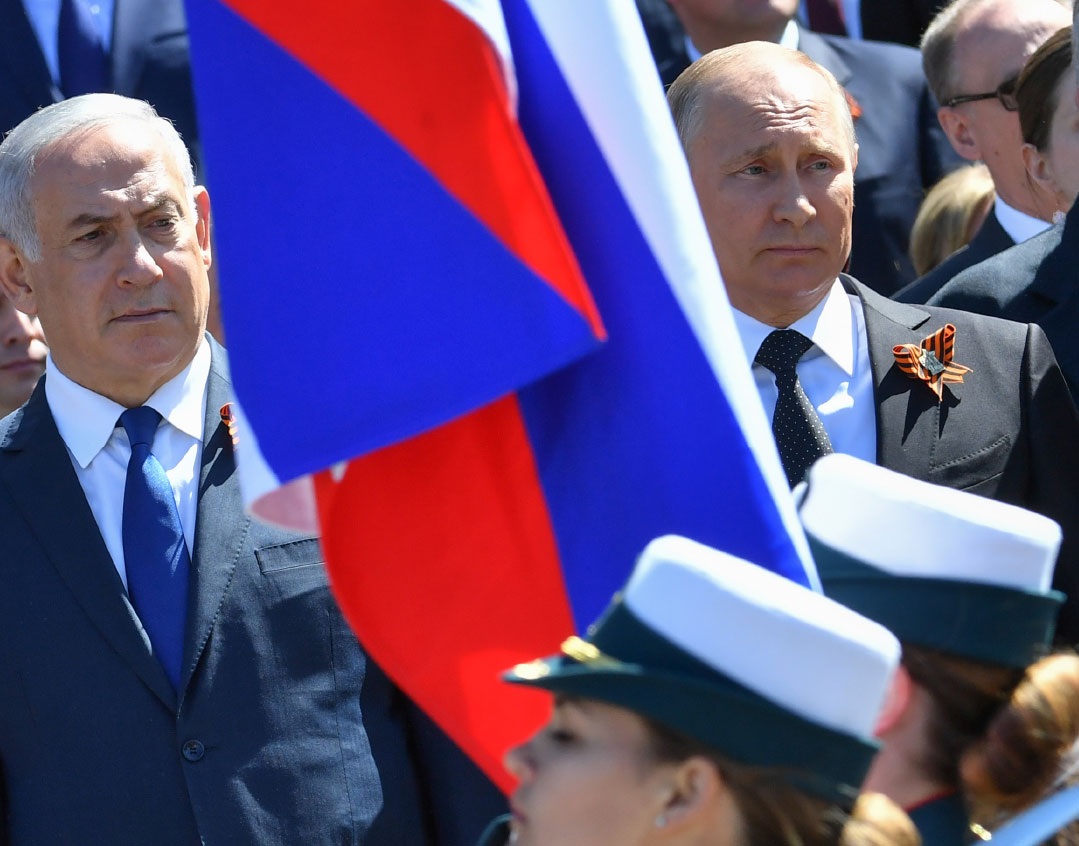
According to security sources, that will be the deal on the table later this month, when the national security advisors of Israel, the United States, and Russia meet in Jerusalem. The shared goal of curbing Iran in the Middle East gave birth to the summit, which will see Meir Ben Shabbat, John Bolton, and Nikolai Patrushev in negotiation over the region. Even if the summit fails to yield immediate, concrete results, the meeting of the three sides sends a clear message to Iran and Syria that a new Russian-Israeli-American axis has emerged.
Still, senior Israeli security officials claim that any hope for immediate and significant military and political agreements is unlikely. Russia’s foreign minister Sergey Lavrov stated outright recently that any expectation that Russia can force Iran to leave Syria is “unrealistic.”
The Russians have been flexing their muscles in Syria, however. Though the Syrians ceded control over part of the Tartus port to Iran one year ago, the Russians immediately opposed the agreement. When the Iranians nonetheless placed troops at the port, just a few weeks ago, Russia expelled that force, employing loyalist Assad troops under Russian command.
Create a free account to keep reading.