New York is imposing stricter regulations on the nonpublic schools than it is on its own public school system
INthe long and closely watched saga of the New York State Education Department seeking to regulate the state’s nonpublic schools, yeshivah advocates have welcomed confirmation of a point that they’ve made repeatedly: That the state is imposing stricter regulations on the nonpublic schools than it is on its own public school system. That means that “equivalency” is not what the regulations are really after. The confirmation came from a department official speaking at a public meeting to a group of teachers.
In a City Journal article published this month, Rabbi Aaron Twerski, a Brooklyn Law School professor and former dean of Hofstra Law School, explained the superior benefits of a yeshivah education and provided a brief history of New York’s effort to curb the independence enjoyed by yeshivos — and religious parents — in determining their educational mission and course. That effort culminated in the September 2022 adoption of regulations that gave the State Education Department the authority to close schools that it said failed to provide an education “substantially equivalent” to that offered in public schools.
In October 2022, just a few weeks after the regulations went into effect, the yeshivah community sued the State Education Department (NYSED). The lawsuit was filed by a consortium of groups and yeshivos, including Parents for Educational and Religious Liberty in Schools (PEARLS), Agudath Israel of America, Torah Umesorah, and Yeshivas Rabbi Chaim Berlin, Torah Vodaath, Tifereth Jerusalem, Rabbi Jacob Joseph and Chasan Sofer.
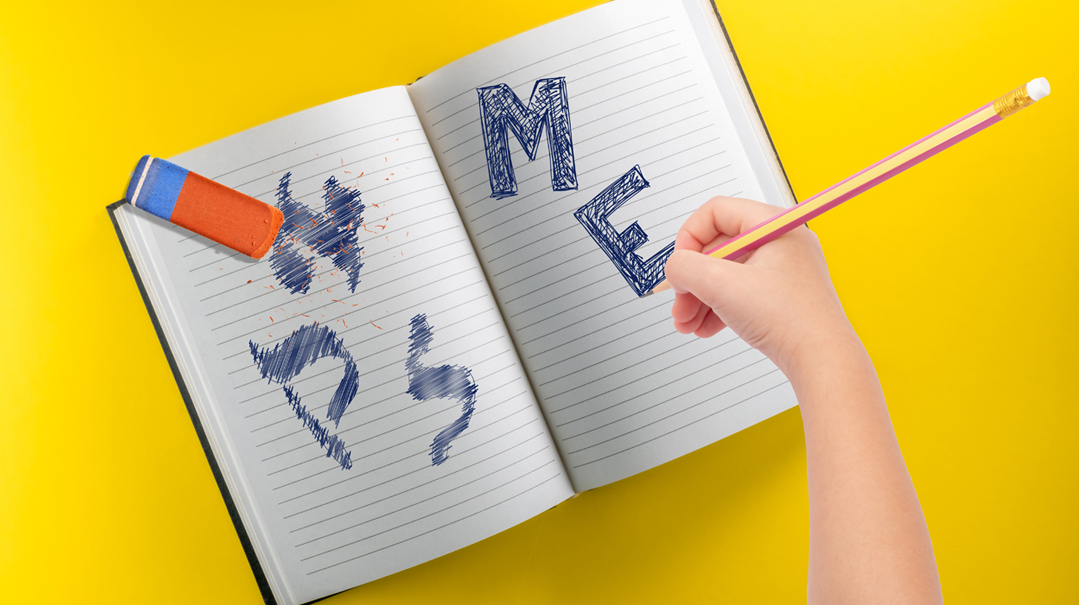
Among the yeshivos’ complaints, Rabbi Twerski reminded his readers, was that the regulations required instruction in private schools be delivered solely in English, even though public schools offer classes taught in languages other than English. Indeed, the state not only permits public schools to teach classes in foreign languages, it actively promotes dual-language programs. Yet when it comes to the yeshivos, the regulations contain an ironclad prohibition: Only instruction in English counts. Classes given in any other language — including, of course, Yiddish, or in the case of a rebbi teaching Gemara and Chumash, Aramaic or Lashon Hakodesh — would not help a school be deemed substantially equivalent
Create a free account to keep reading.