Little did Rav Mordechai Goldstein, founder of Diaspora Yeshiva, know he would be creating a teshuvah revolution and rebuilding the ruins of Jerusalem at the same time
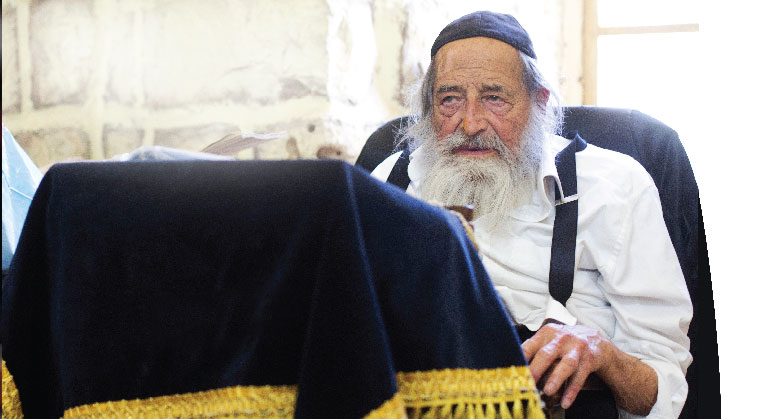
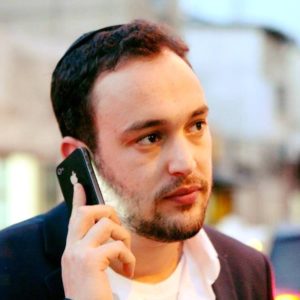
“This was the ’60s and people were searching for real meaning for real spirituality in their lives. Someone had to accept them as they were and teach them Torah.” Rav Mordechai Goldstein and his son Reb Yitzchak the yeshivah’s administrator share with Mishpacha’s reporter the days when there was nothing on the mountain but vacated churches a Holocaust memorial and the barely accessible kever of King David. (Photos: Lior Mizrachi)
TIt was just weeks after the 1967 Six Day War and although much of Jerusalem’s Old City was covered in rubble that didn’t prevent a steady stream of worshippers to brave the summer heat and dust and make their way to the newly liberated Kosel Hamaaravi. That year the Three Weeks of mourning Jerusalem’s destruction would be laced with a glimmer of hope — a “caress” from Hashem that the Holy City would yet be rebuilt.
Not far away just outside the Old City walls on Mount Zion — which had been the border and a kind of no-man’s land since 1948 — a ragtag group of counterculture American guys who’d found their way to Israel were making their own contribution to rededicating ancient holy sites. They were the core group of the fledgling Diaspora Yeshiva — Israel’s first baal teshuvah yeshivah — which had just been awarded a run-down abandoned plot of land surrounding what many have traditionally considered to be King David’s Tomb. There was no infrastructure — no electricity no water — and even the old churches on the mountain had been vacated. And so they dug their hands into the soil of Eretz Yisrael laid pipes and makeshift electric lines and put down the foundations of a yeshivah that over the next 50 years would serve as a portal for tens of thousands of young men looking to reconnect to their Jewish roots.
No one disturbed them there that summer. Access to Har Tzion — “desolate where foxes prowl” as the prophet Yirmiyahu describes in Eichah — was limited even dangerous. In fact it took a few years for people to come back in large numbers to the kever of Dovid Hamelech.
Create a free account to keep reading.