Hezbollah began in the early 1980s as a small militant group, and has grown into the most powerful non-state army in the world
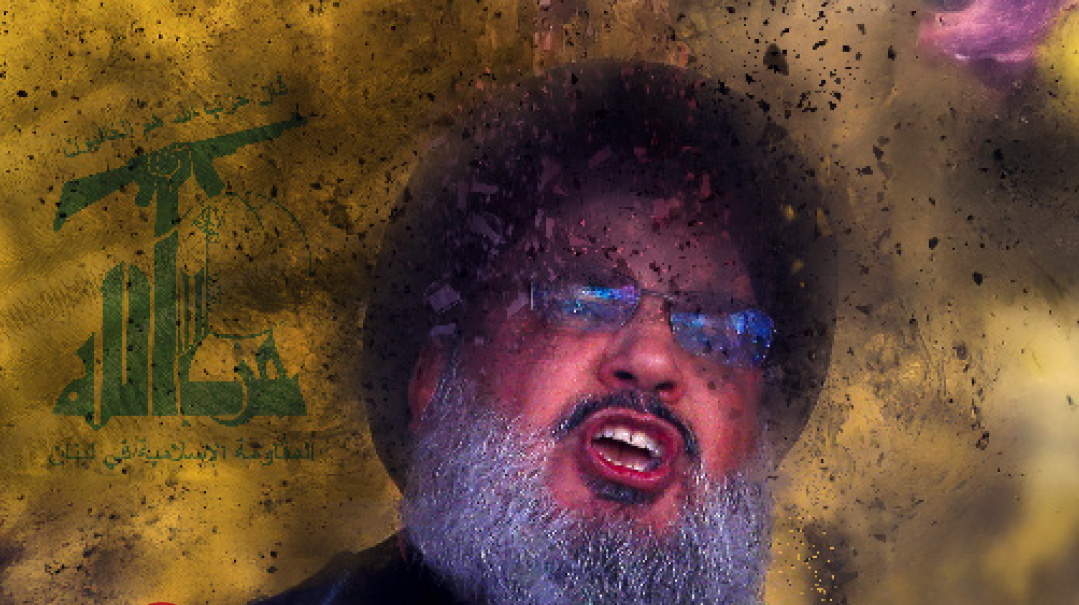
For nearly half a century, the Hezbollah terrorist organization in Lebanon has been one of Israel’s most formidable foes. What began in the early 1980s as a small militant group has now grown into the most powerful non-state army in the world. This immense power is largely due to the billions of dollars in economic, military, and logistical support provided by Iran over the years. While it was long believed that Israel would avoid direct confrontation with Hezbollah, on September 27, the unthinkable occurred: An Israeli airstrike killed Hassan Nasrallah, ending his three-decade reign as Hezbollah’s leader.
Although it would be naive to assume that Nasrallah’s death spells Hezbollah’s demise, there has been an undeniable impact. As evidence, Iran — which had previously managed to stay on the sidelines by waging its war against Israel through proxies — has now itself been forced to intervene directly, despite the likelihood that it will face serious repercussions.
Hezbollah is wounded, but far from defeated. The terrorist organization has suffered blows throughout its history, and its proximity to Israel suggests that it will continue to pose a lingering threat.
To understand Hezbollah’s strength, its evolution into a force more powerful than the Lebanese army itself, and the trajectory it might take in the future, we take a tour through its history.
Create a free account to keep reading.