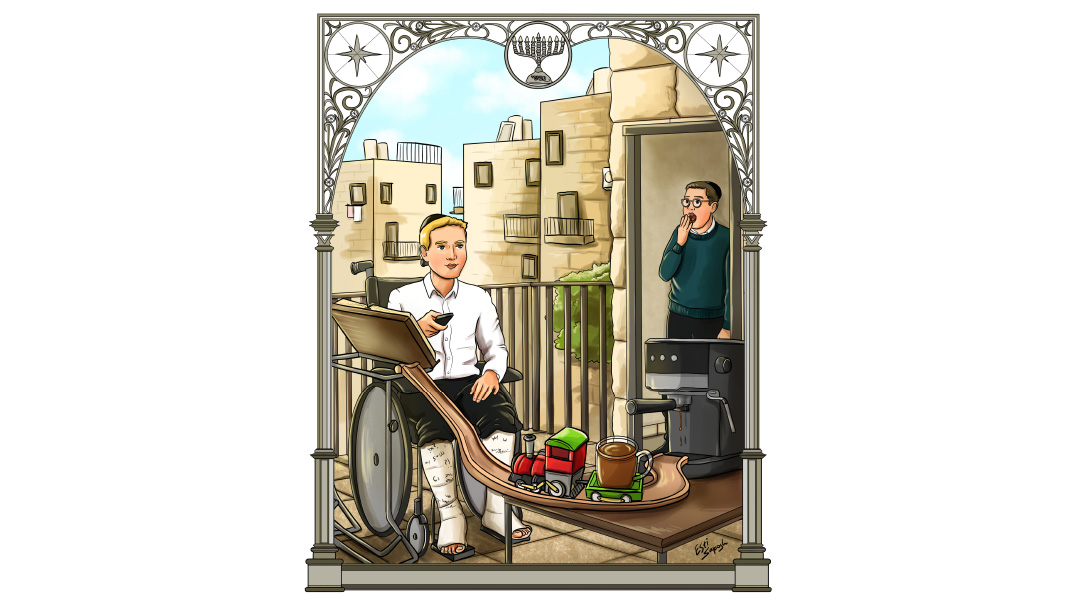
The idea of and, that we can hold two conflicting emotions at once, has its roots in DBT therapy

A nine-year-old girl runs home eagerly on her birthday. On the dining room table is a large rectangular box, wrapped in colorful paper, tied with ribbons, and topped by a card with her name on it. She hopes it’s the gift she told her friends she was dreaming about, perhaps an American Girl doll, or an art set. Tearing off the paper she uncovers a 2,000-piece toothpick model of the Hoover Dam. Tears spill down her face as she pushes away the box.
For most of us, other than Hoover Dam aficionados, a situation like this would present us with only the overriding emotion of disappointment. But what if she had opened the box to find a camera? While she might still have been disappointed that it wasn’t the gift she was dreaming about, she might also acknowledge that she may come to enjoy it.
A woman sees a small, wrapped square box on her dining room table with her husband’s handwriting on the card. She unwraps the gift excitedly to find a vegetable shredding blade for her food processor. Most likely, she’ll feel two seemingly opposing emotions. She’s happy that her husband remembered her birthday and tried to think of some way to make her life easier, and very disappointed that it wasn’t a piece of jewelry.
The idea of and, that we can hold two conflicting emotions at once, has its roots in DBT therapy. Using this concept, we can help our children move away from all-or-nothing thinking, which happens when we feel we have to negate one feeling in order to experience another. Children and adults are capable of holding conflicting feelings simultaneously.
Create a free account to keep reading.