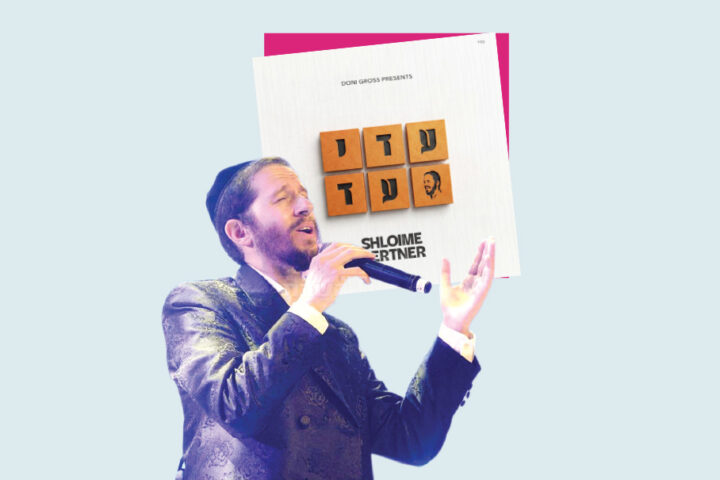
Sheya Mendlowitzhad an unusual knack for recognizing the talent in a singer or the potential of a song

That evening, I called the Mendlowitz house, asked for Sheya, and posed my question to him. He replied smoothly, “Clei Zemer Orchestra, Side A, Song 1.” He wouldn’t let me hang up until he told me who composed the song (Abie Rotenberg), who sang it (Abie, Mendy Gold, and Label Sharfman), and who the choir members were, too. That was my very first interaction with the young Sheya Mendlowitz a”h.
Several years later, when Suki and I were working on our Greatest Wedding Collection Volume 2, I came across a singer by the name of Avraham Fried. We went into the studio to record the song, “Vehu Kechassan,” and he told me that he was working on a new album with a young producer named Sheya Mendlowitz called No Jew Will Be Left Behind. At that point, who but Sheya walks into the studio, and from that moment on, we became great friends. This friendship eventually led to our partnership on many projects, beginning with the HASC concerts and branching out to other endeavors.
Sheya, who passed away on 12 Cheshvan last year at age 61, had an unusual knack for recognizing the talent in a singer or the potential of a song. But it was more than that: MBD told me that ever since he and Sheya connected, there were never more than a few days in which they didn’t speak on the phone, whether music-related or just to have a good laugh or schmooze. Sheya also had a great talent for putting tunes and words together. When I was working on my Torah Allstar album, there was a lively Stoliner niggun that we wanted to use, but hadn’t found the right lyrics that would work. And then, in walked Sheya. He listened, snapped his fingers and said, “Moshe Emes V’Soraso Emes.” And, indeed, we all know how that turned out.
Abie Rotenberg remembers the days when every minute of studio time was expensive, when there was no schmoozing, no kibbitzing, just straight-up work, making use of every crucial moment. Not so with Sheya. He would bring donuts and encourage conversation and camaraderie between the performers. Because studio costs notwithstanding, creating positive energy would yield a better product. Abie says that when they were making Lev V’nefesh, that positive atmosphere permeated the studio and produced great results.
Create a free account to keep reading.