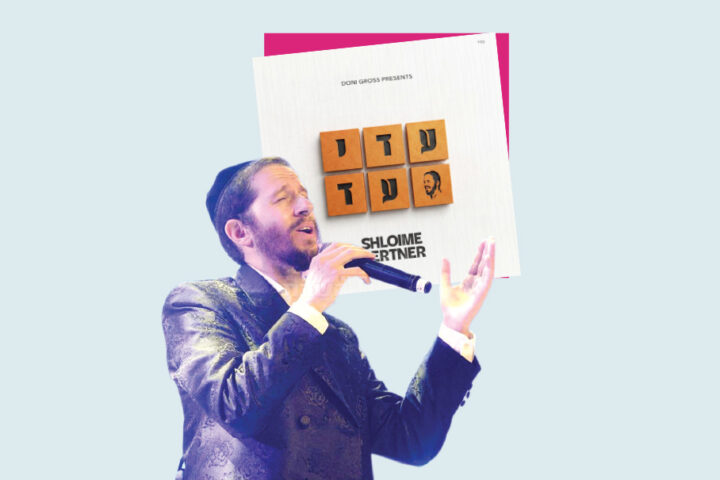
How kippot and yarmulkes came to be regarded as identification badges is a mystery
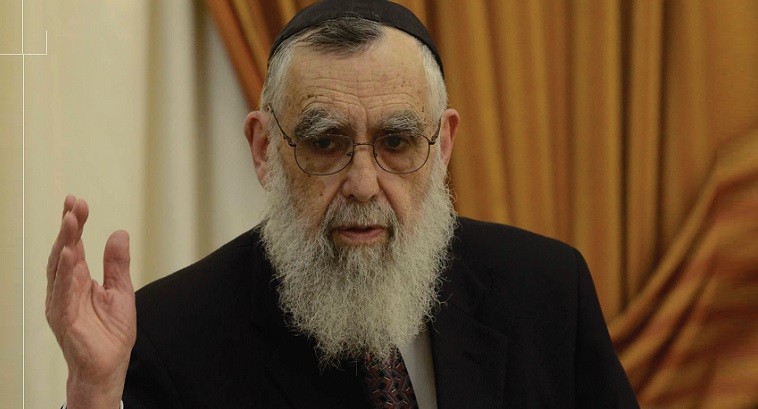
Now that the suspense is over and Naftali Bennett is the new prime minister, many questions have arisen about the new government. How will the new head deal with burning issues such as Iran, Hamas, the economy, the budget, the chareidi draft?
But we would be derelict if we ignored the most pressing question of all, which deals with the head of the new head: i.e., how does Bennett keep his microscopic kippah from sliding off the back of his totally bald pate? Bobby pins will not do, since there is nothing to which to attach them. Glue? Paste? Scotch tape? This is a question that no one but Bennett himself can answer — and he is too busy balancing both his budget and his kippah to enlighten us. It is one of those esoterica about which only Eliyahu Hanavi at the End of Days can enlighten us. Teiku, as the Talmud puts it. We will have to be patient, and simply wait.
The origin of the word “yarmulke” itself is unclear. Some trace it back to a Polish and Ukrainian word for head covering. Others claim it is an acronym for the Aramaic yerei Malka, “fear of the King.” No one knows for sure, but in any case, one fact is clear: In Judaism, a head covering is a sign of submission to G-d, and a bare head can be a sign of arrogance — thus turning Western culture, if you will, on its head.
Of yarmulkes there are many types and sizes and varieties: Some encompass the entire head, others are not much larger than postage stamps; some made of velvet, others colorfully crocheted. (See Talmud Yoma 71a for a serious discussion of the size of the head covering worn by the Kohein in the Beis Hamikdash).
Create a free account to keep reading.