I grew up in Poland, and no one would have been able to tell we were Jewish. The communist regime was oppressive for anyone, especially Jews, so within a year of the collapse of communism, my family moved to Israel. While the schools I attended in Israel from age 11 and on didn’t teach Torah from the traditional perspective, they served as my first introduction to our heritage.
At the end of my compulsory army service, I was recruited by the Ministry of Defense to return to Poland, where I worked in the Israeli embassy. In Poland, the land of Auschwitz and ashes, I began to visit the remaining vestiges of Jewish life. I was privileged to attend the Nożyk shul, the only surviving pre-war shul in Warsaw, which had escaped destruction because it was converted into a stable for the Wehrmacht.
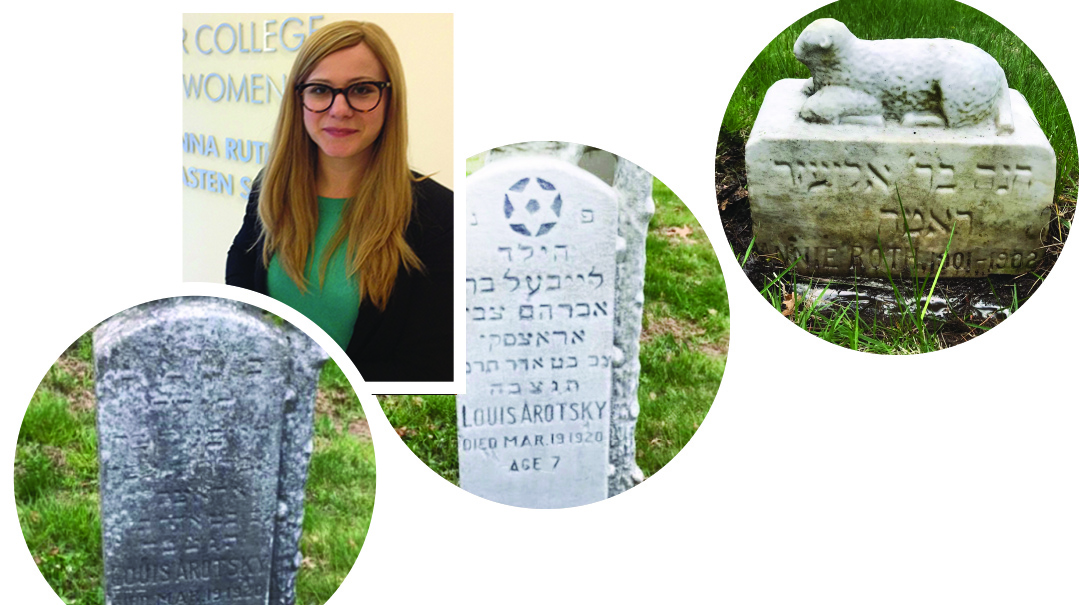
Through these types of encounters with our history, I began to learn the tefillot, and soon became religious. Wanting to further my Jewish education, I came to the United States to study at Lander College, where I double-majored in psychology and Judaic studies.
I returned to Poland yet again, this time as a leader of the Ronald S. Lauder Foundation project to revive Jewish life in Eastern Europe. When people ask me what I did there, I turn the question around — what didn’t I do? Basically, brit milah and checking the eiruv. Everything else — early childhood through adult education, summer camps, the chevra kaddisha — were all part of the job description. Until today, I’m a member of the European Rebbetzins Association.
Create a free account to keep reading.