Silenced by a deadly virus, Meron’s musicians still play the songs in their hearts
Photos: Flash 90, Ouria Tadmor
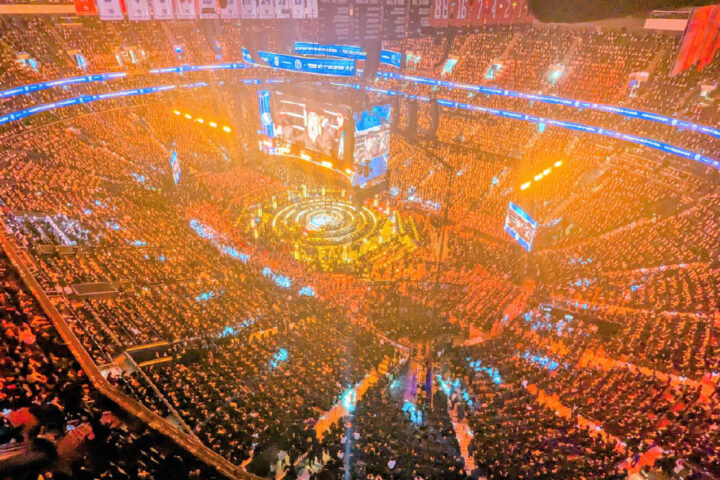
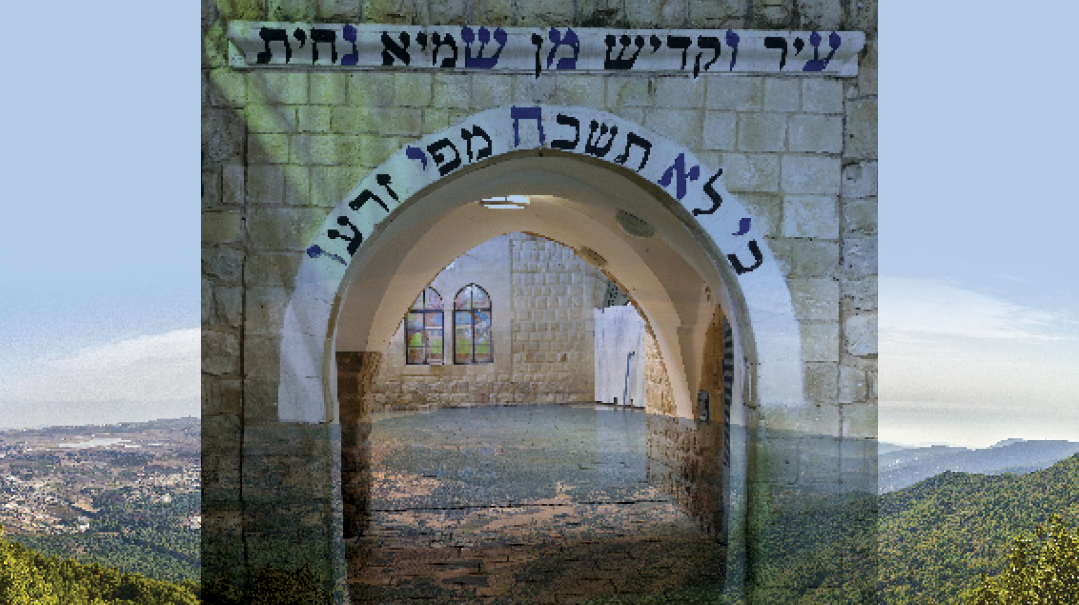
It’s 3:30 a.m., but on Lag B’omer in Meron, time takes on a different dimension. If you’re one of the hundreds of thousands who’ve been there, you know the predawn scene: The embers of the hadlakahs are still glowing and the crowd seems to be spinning in a never-ending twirl of ecstasy in celebration of the great light Rabi Shimon revealed to the world on his deathbed nearly 1,900 years ago. While daylight was suspended, he completed his teachings of the Hidden Torah that would become the domain of all the Jewish People and illuminate the dark centuries of exile.
And the music — Meron music — has its own signature style: The clarinet in the lead, with the keyboard, fiddle, and drums in graceful accompaniment, seem to penetrate that deep place in the soul that makes a Yid want to dance faster, jump higher, reach for something he knows is real yet untouchable.
But then, almost imperceptibly, the dancing morphs from a noisy spin to a silent sway, as the wail of the clarinet pierces the air with a different kind of niggun: For the next two hours until sunrise, it’s soulful tunes like the Karliner “Kah Echsof,” the Baal HaTanya’s “Arba Bavos,” and the traditional pre-sunrise finale, “Tiher Rabi Yishmael.” These hours belong to master clarinetist Chaim Kirshenbaum, who hasn’t missed a predawn rendezvous with Rabi Shimon in 33 years.
Until now.
While many COVID-related restrictions in Israel have been eased — stores are open, businesses have begun functioning, and schools are gradually returning to schedule — social distancing rules still apply, and the convergence of multitudes in Meron won’t be happening on Lag B’omer of 2020. While there might still be last-minute changes, the current Health Ministry protocol is that the entire area will be closed to all non-residents, and access to Har Meron will be by special permit only. Still, in keeping with the centuries-old hadlakah tradition, Health Ministry–sanctioned hadlakahs will be carried out in four complexes with a minimum of participants, to be broadcast across the country.
Create a free account to keep reading.