Torah lawshave the ability to activate forces beyond the comprehension of man


My first and only experience in a beis din was years ago. Several fellow staff members and I were trying to receive our salaries from a company that folded. I wasn’t sure what to expect, but I was dreading the encounter and the necessity of such unpleasant proceedings.
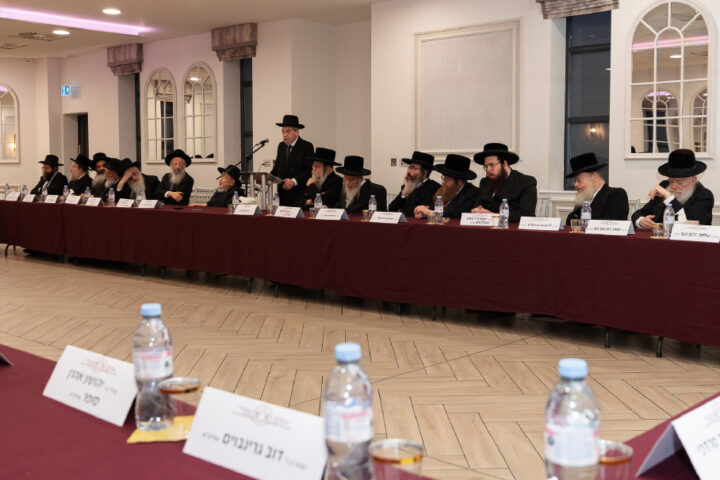
While in the waiting room, across the hall, I had a glimpse of the dayanim in their long frocks, sitting in a semi-circle on a raised dais. Their faces looked somber, yet kind, and I was filled with a sense of awe. I had a sudden urge to run in there to tell them all my problems and commit to doing whatever they told me. These judges clearly understood the import of justice.
Spoiler alert: I never got a chance to speak with the dayanim. I subsequently went two more times to beis din, but the other party never showed up. We were then told that we now had the halachic right to sue in a secular court.
I left, weighted down with this responsibility and disappointed that I hadn’t had a chance to present my case to those exalted talmidei chachamim sitting up on that dais.
Create a free account to keep reading.