It’s estimated that up to 8,000 IDF soldiers and officers became religious in the aftermath of the Yom Kippur War
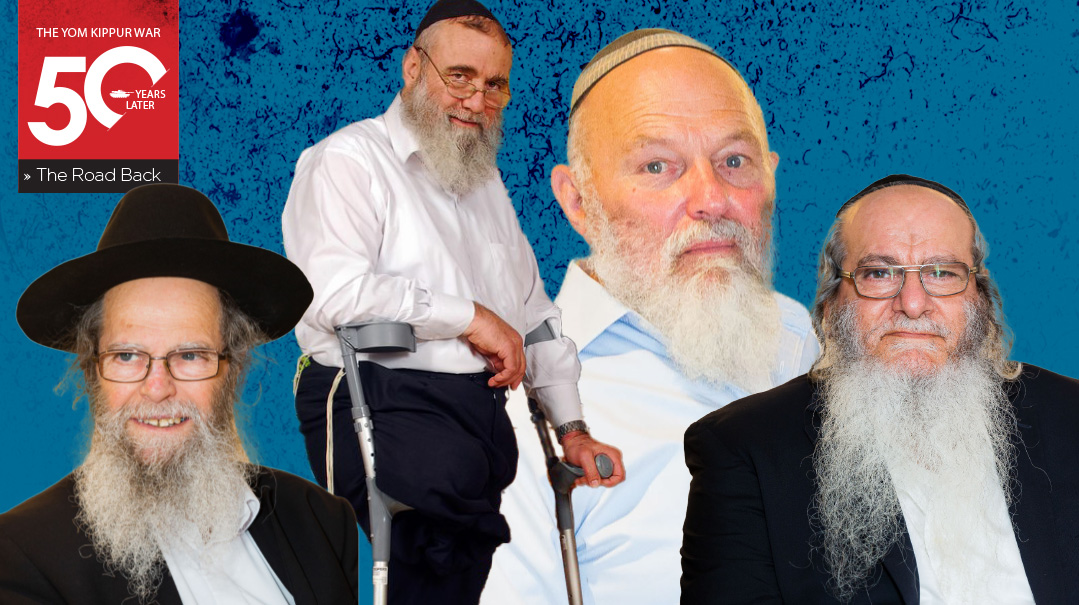
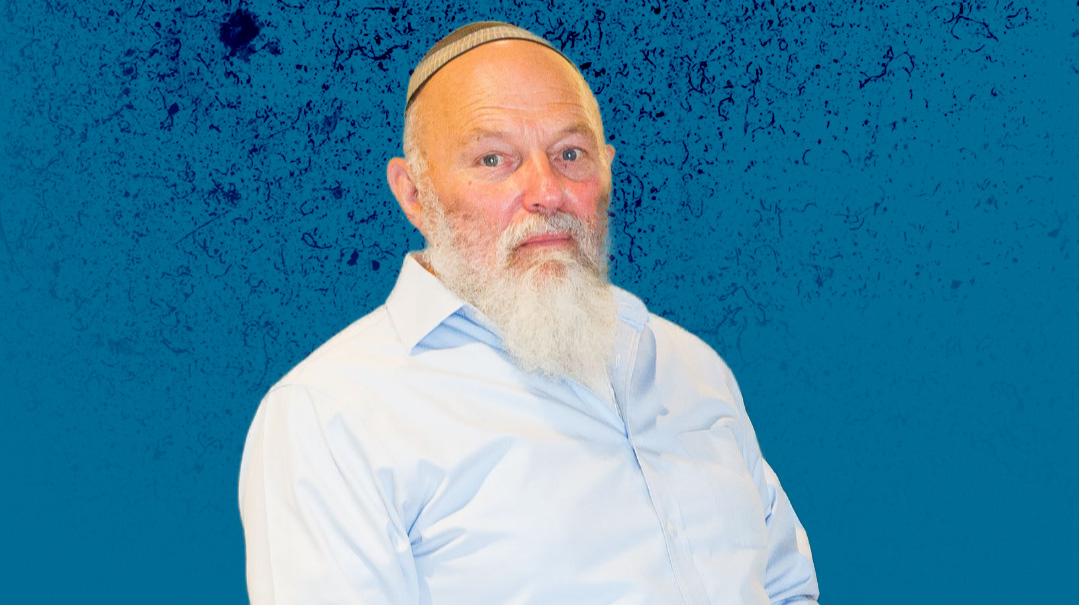
Photos: Elchanan Kotler
“I always ask myself if my becoming religious was sort of post-trauma from the war, or if it began long before that,” Effie Eitam shares. He is familiar to many as a former minister in the government and chairman of the National-Religious Party (which he left in protest of the expulsion of Gush Katif).
Eitam fought in the defensive battles against the Syrian Army in the Golan Heights. He and his soldiers stopped a convoy of Syrian tanks that was trying to infiltrate Nafach, using three bazooka anti-tank rockets and a heavy machine gun. Eitam even rescued injured soldiers from the battlefield and evacuated them to safety. He received a Medal of Distinguished Service for his actions.
Although Effie Eitam is one of the most prominent figures identified with the post-Yom Kippur War teshuvah wave, he says that the seeds were there before. “The more I think about it, the more I realize that there were glimmers of teshuvah before the war, back in my native landscape of Kibbutz Ein Gev.”
While the kibbutz rejected formal mitzvah observance, Eitam says he grew up with a lot of idealism and even faith. “In a kibbutz, there are a lot of faith-based ideals,” he explains. “There is the faith in the revival of Am Yisrael and the settlement of the land, and faith in the morality of society and in the fact that we all need to care for one another. In life, you have to look for a compass to follow, and when you grow up in a place that advocates idealism, it has an influence.”
Create a free account to keep reading.