How much of a threat are the protests, and what would it take to bring systemic change in China?
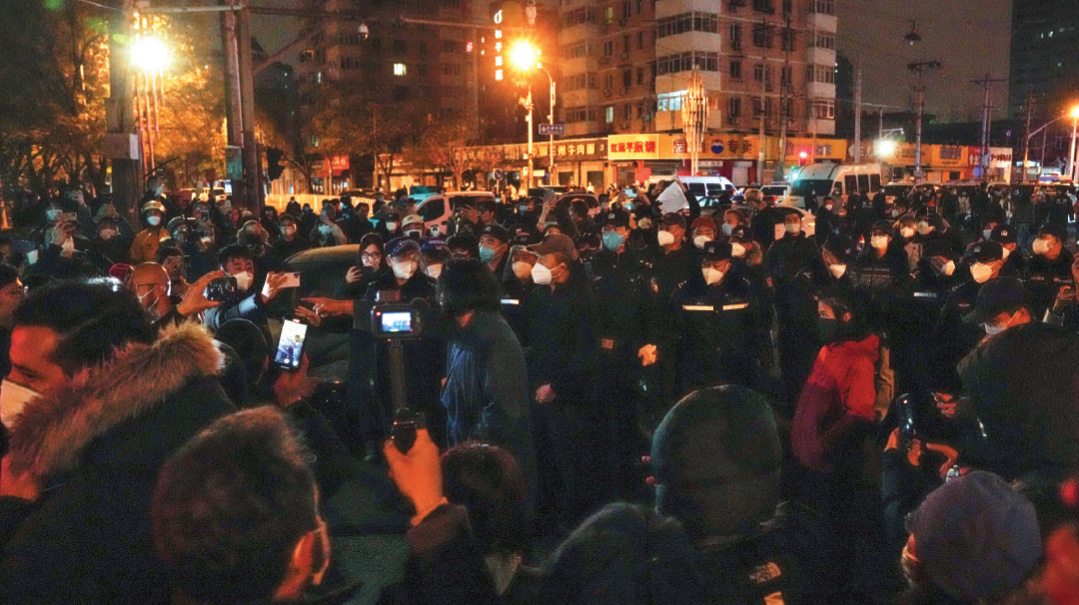
“Is Covid China’s Chernobyl?” asked a report by a former British diplomat when coronavirus burst upon the world. That 2020 headline suddenly looks relevant once again as mass protests against the senior leadership’s zero-Covid policies sweep China.
In multiple cities, including Beijing, Shanghai, and Wuhan, thousands have taken to the streets calling for an end to draconian Covid restrictions, and in some cases protesting more generally against the Communist Party’s restrictions on free speech and democracy.
Mere weeks after President Xi was essentially made leader for life, Western observers are asking whether the Chinese strongman is as powerful as he seems. But just how much of a threat are the protests, and what would it take to bring systemic change in China?
1. First, the trigger. Protests broke out after a fire in a residential building in Urumqi, northwestern China, killed more than ten people. The city has been under Covid lockdown for months, and residents blamed the restrictions for the deaths. But news reports over the last months have shown the country to be restive amid restrictive health policies that have seen no let-up since Covid began almost three years ago. In a country where information flows are heavily censored via a so-called Internet “Great Firewall,” blank white paper held aloft at the protests has become a symbol of China’s clampdown on free speech.
Create a free account to keep reading.