In my father-in-law’s world, no time was inconvenient, no time too early or too late, when it came to serving the Creator
T

he location isn’t what matters — yet the scene was always the same: An empty beis medrash late at night, perhaps the Satmar shtibel on Northumberland Street, or maybe Chodosh next door, and one lone, lingering figure inside, the rest having long ago retired for the appeal of their homes. If you listened closely you could make out the occasional rustle of his slow, deliberate movements, or the gentle rise and fall of his singsong voice against the rhythm of what was likely another Manchester rainfall outside.
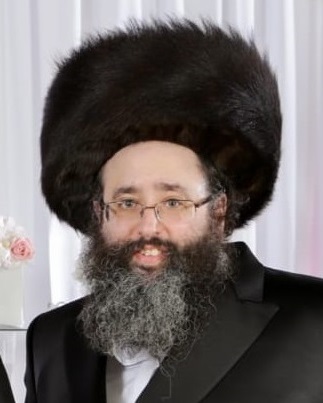
But not the silence, nor the weather outside, and certainly not the hour, could deter Reb Ezra Bloch’s resolve when it came to avodas Hashem. Because in my father-in-law’s world, no time was inconvenient, no time too early or too late, when it came to serving the Creator. In fact, time wasn’t even a factor in his world; all that mattered was Torah and tefillah and a deep, deep she’ifah to touch whatever holiness he could, whenever he could. His absence at home often spanned hours, but you just knew: if Papa wasn’t around, there weren’t many options; he was either in the beis medrash around the block, or in the other beis medrash around the other block. In Manchester, there was no shortage of addresses for Reb Ezra’s thirsting soul.
That was the thing with Reb Ezra. You always got the feeling — watching him, speaking to him — that he was stretching, that there was somewhere he was trying to get to, but could never quite reach. Reb Ezra’s Shabbos table was a sacred space, but not merely for the good food and lively family atmosphere; for him, the taste of Olam Haba meant so much more than a chance for steaming soup. It was a weekly occurrence for the Blochs: soup would be served and inevitably my father-in-law, with his beautiful, melodious voice, would launch into a heartfelt rendition of Menuchah V’simchah, or Kah Ribon, or both, as though his soup would stay hot forever and Shabbos was here to last all week.
Neiros Chanukah was a similar affair. The kids would urge him along. “Papa, we need the room, our friends are coming, we’re having a party,” they’d say, hopeful that this time their father would accommodate. But Reb Ezra didn’t understand the problem. “Let them come, shoyn,” was his rejoinder. Why would his singing disturb anyone? No way was he going to pass on saying his slow, earnest vehi noam the full seven times. It wasn’t an option.
Create a free account to keep reading.