When the world invokes the nuclear option to avert nuclear disaster
There are few diplomatic inventions as strange as the snapback sanctions on Iran under the original nuclear deal. Think of it as the international community’s panic button that locks the whole building when pressed. Essentially, the world gets to buy Iran’s compliance, try it out for a few years, and if you don’t like the fit, it goes right back on the sanctions rack. There are no refunds, no exchanges, and definitely no store credit.
Let’s start in 2015. When the JCPOA was drafted, under which Iran agreed to restrict its nuclear program in exchange for relief from international sanctions, negotiators worried about one thing: What if Iran cheats? What if the centrifuges keep spinning behind the curtain while the ayatollahs smile politely at the negotiations tables?
Nobody wanted to spend months haggling at the UN over re-sanctioning Iran every time they got suspicious. So they invented the diplomatic booby-trap called the snapback. If Iran broke its promises, sanctions would come roaring back automatically after 30 days, unless the Security Council voted to stop them. Which, of course, meant that instead of needing consensus to punish Iran, you needed consensus to protect it. This brilliant little technique marks perhaps the only time the veto power was rigged against Moscow and Beijing instead of for them.
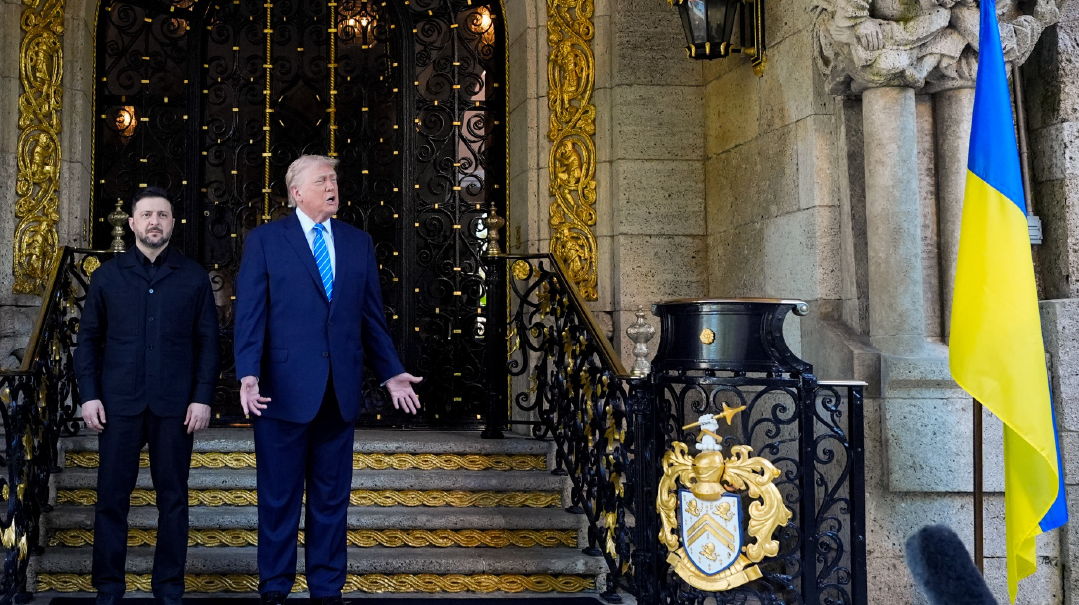
Fast-forward to 2018: Trump leaves the JCPOA, calling it the “worst deal ever, so true, believe me.” Two years later, his team tries to pull the snapback lever anyway. Secretary of State Mike Pompeo shows up at the UN with a legal argument that while America left the deal, technically the US is still listed as a “participant” in the Security Council resolution, so of course it can trigger enforcement. Thirteen out of fifteen Council members basically said: “You can’t quit the choir and then return later to demand a solo.”
Create a free account to keep reading.