The looming rematch between President Joe Biden and former president Donald Trump in the context of all the other such contests
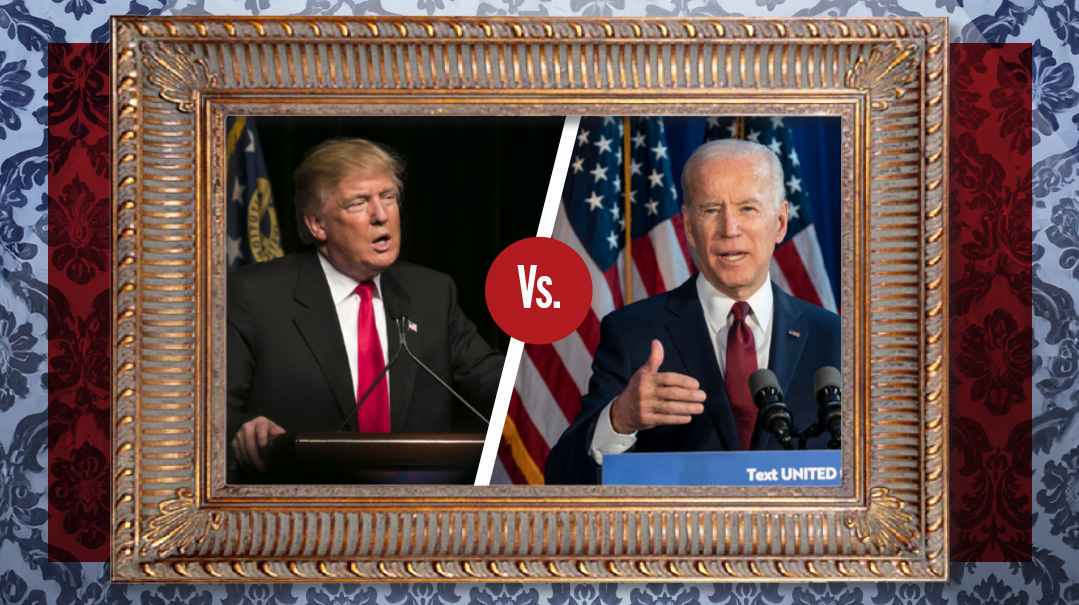
The rematch election shaping up in 2024 between President Biden and the man he defeated, former president Trump, is unprecedented during the lifetimes of Mishpacha’s younger readers. But American history offers several prior examples of this kind of contest.
Before this year, the last defeated president to consider taking on the man who beat him was Gerald Ford. He ultimately decided not to challenge Jimmy Carter in 1980. He did, however, flirt with the idea of running as Ronald Reagan’s vice presidential candidate, although that also did not pan out.
This kind of rematch was more common in the 19th century than in the 20th, and Trump versus Biden will be our first rematch of the 21st century. The most recent two rematches, William McKinley versus William Jennings Bryan (1896 and 1900) and Adlai Stevenson versus Dwight Eisenhower (1952 and 1956), resulted in sweeps, with the Republican candidate winning both elections each time.
These two sweeps are why parties are often reluctant to nominate the losing candidate again. Since the late 20th century, the American ethic has been “once a loser, always a loser”: think Walter Mondale in 1984 or Michael Dukakis in 1988. But the 19th century was more forgiving, and the four rematches that took place before the 20th century led to the first-time loser becoming a winner the second time, which is a more positive sign for Mr. Trump than the more recent history suggests.
Create a free account to keep reading.