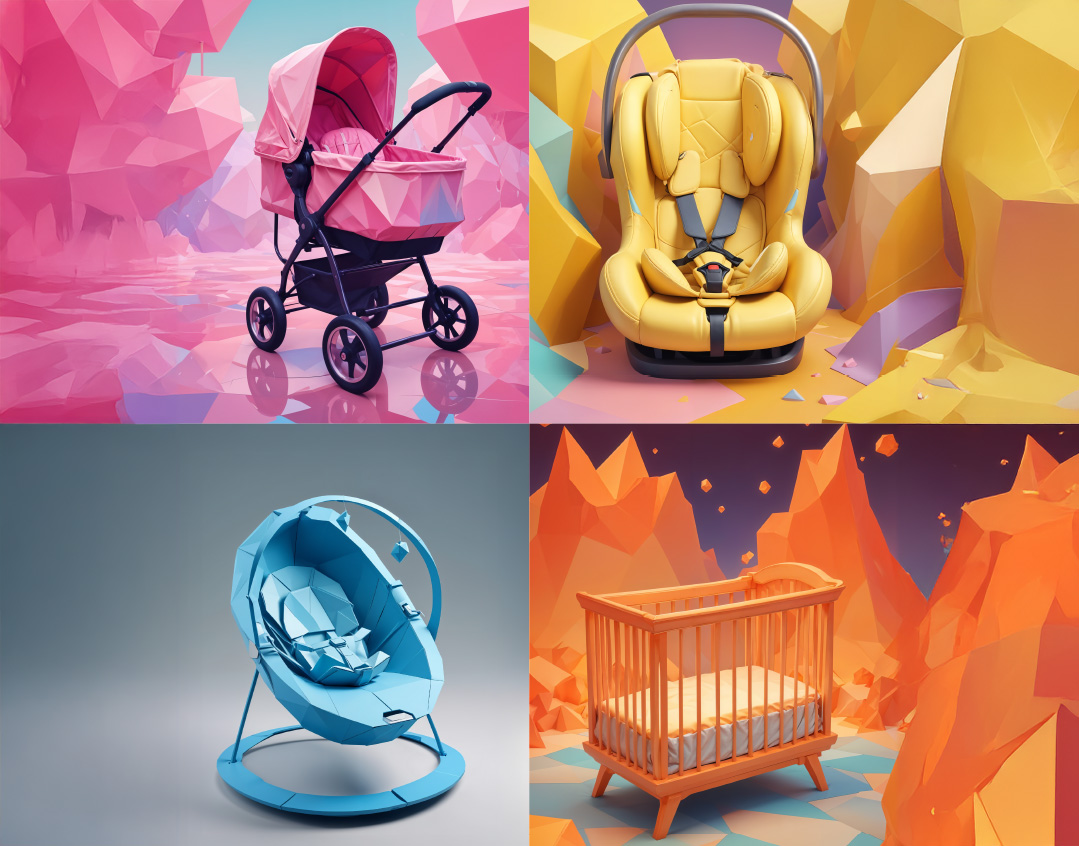
Babies can spend a lot of time in the car during their first year, whether it’s just from running to the many well-checkups or tagging along with carpool.
“You don’t need to spend a lot on a car seat,” says Dr. Sherrie Orzel, a board-certified pediatrician with over 15 years of experience. “Just because it’s expensive doesn’t mean it’s safer. All car seats sold in the US must meet the same federal safety and crash performance standards. Just look for the label that says, ‘This restraint system conforms to all applicable federal motor vehicle safety standards.’ If it’s on the market, you know it’s perfectly safe.”
“Never, ever, ever buy a knockoff car seat on sites like AliExpress or Temu,” Lani Harrison, a CPST (Child Passenger Safety Technician) who has installed thousands of car seats, says emphatically. “Those seats have been shown to literally fall apart in crash testing. Take a step back and realize that the goal of a car seat is simply to keep the baby safe in a crash. Any colors, styles, or other features are a far second to that goal.”
Car seats and car seat accessory safety is determined through crash testing. Once the crash testers install the seat and put in a dummy, which is created to be as close to a human body as possible, they put sensors on and run it on a crash test line. They’re required to do it many times with many different permutations. (Latch install, seatbelt, not tethered, different size dummies if both fit in the seat, etc.)
Create a free account to keep reading.