Although poor posture can worsen existing scoliosis, it will not cause it to develop
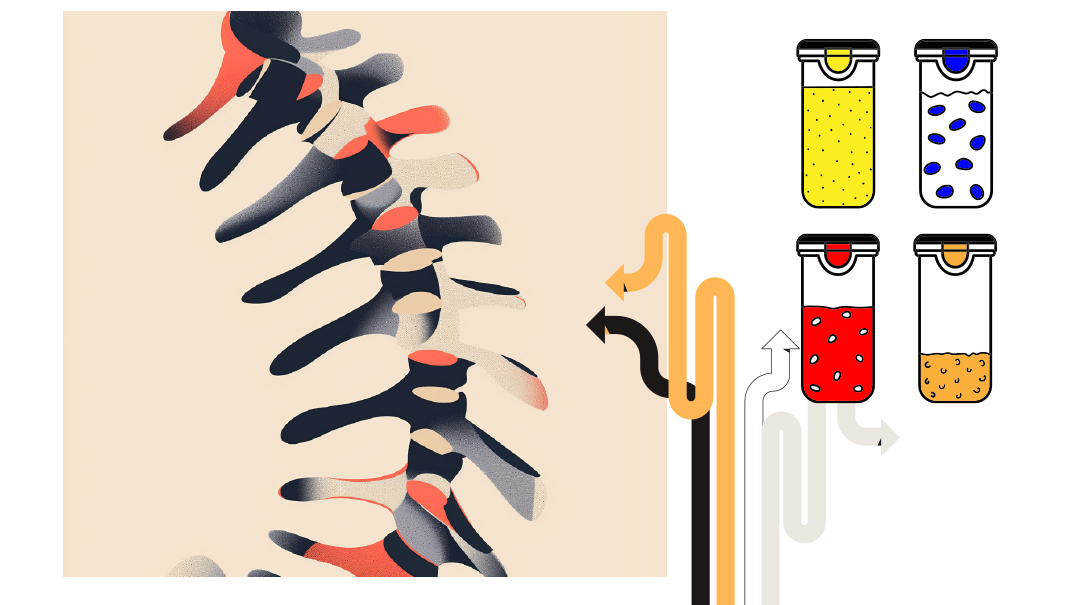
Scoliosis is a sideways curvature of the spine that affects around two to three percent of the population, with close to three million new diagnoses each year. While it can occur at any age, it is most commonly diagnosed in children between ten and 12 years old. It may be unnoticeable or look like one shoulder is higher than the other, there is a hump on the back, or the child is slouching in one direction. There is typically no back pain or other symptoms.
While the exact cause of scoliosis is unknown, there are certain risk factors to be aware of. Scoliosis tends to run in families, and girls are also more likely to develop scoliosis than boys. Having neurological or muscular diseases like spina bifida, cerebral palsy, muscular dystrophy, or spinal muscular atrophy increases the risk of developing neuromuscular scoliosis. This is also true as a consequence of spinal injury or high-impact sports. Although poor posture can worsen existing scoliosis, it will not cause it to develop. (Sorry to break it to all the parents reminding their kids not to slouch!)
Scoliosis is typically classified based on the degree of curvature in the spine. Mild cases involve curves between ten and 25 degrees, moderate cases range from 25 to 40 degrees, and severe cases involve curves greater than 40 degrees.
The severity of the curve often determines the course of treatment. The degree of severity can also change, as scoliosis can worsen, especially when diagnosed in younger kids.
Create a free account to keep reading.